Our research on Dixa started with the pricing page and the homepage, same as always. This particular review took a few extra passes, partly because Dixa's presence on G2 and Capterra is thin enough that triangulating real user sentiment required leaning harder on Reddit threads, Product Hunt comments, vendor documentation, and the customer case studies Dixa publishes on their own site. Founded in Copenhagen in 2015, Dixa has spent the better part of a decade trying to be the platform that doesn't make you stitch together five different tools. Based on what we found, they've come closer than most.

What is Dixa?
An omnichannel customer service platform aimed squarely at mid-market ecommerce brands. The core pitch is that everything lives in one place, voice, chat, email, and social handled natively without third-party connectors doing the heavy lifting.
The AI component is called Mim, Dixa's own agentic AI agent, GPT-powered under the hood. According to Dixa's documentation, Mim can process refunds, pull tracking information, and handle order changes without a human in the loop. That's a real difference from chatbots that exist mainly to delay the conversation until a human shows up. Whether Mim actually delivers at that level consistently is a harder question. We'll get to that.
There's a second AI layer too. Co-Pilot is agent-facing, handling sentiment detection and writing assistance for the humans answering tickets. Two AI layers, one pointed at customers and one at the people answering them.
Dixa claims presence across 42 countries. That's their number. We can't verify it independently.
Dixa Features: Chatbot, Helpdesk & Support Automation Breakdown

Unusually broad for this price tier. The Growth plan at €109 per agent per month includes Contact Center coverage across phone, email, forms, chat, and social. Knowledge base, IVR, call recording, and SLA management are all in there too, not gated behind a higher tier.
Intelligent routing is included at Growth. Skills-based routing unlocks at Ultimate (€169 per agent per month), along with sandbox access and advanced automations. Worth knowing if your team routes by specialization rather than availability.
The native Shopify integration is available from day one, alongside Klaviyo and a claimed 35+ additional connectors. Third-party AI integrations are locked to Ultimate and above. For most mid-market ecommerce teams, the baseline probably covers daily operations. For anyone building deep custom workflows, the Prime tier's enterprise API limits become relevant, and that conversation is worth having before you sign.
Outbound email templates sit at Prime (€215 per agent per month). Custom user roles and auto redaction too. Queue and claim restrictions, multiple organization support, SSO, the enterprise-facing features cluster there as expected.
A small detail that stood out in our research: a writing style guide that lets you shape how Mim communicates with your customers. That's the kind of feature that either gets configured thoughtfully or gets set once and ignored. We don't have enough independent signal to say which is more common. Honestly, we're skeptical it gets used to its potential at most companies.
Dixa Bot Quality: How Well Does It Handle Real Customer Queries?
Dixa claims Mim resolves up to 80% of inquiries autonomously. Their own marketing, not an independent audit. We're always skeptical of resolution rate figures from vendors. They often count conversations the bot touches, not conversations genuinely closed without human follow-up.
That said, the customer testimonials on Dixa's site are more concrete than most. One customer service manager at a smartphone accessories brand described Mim going beyond answering questions to completing tasks that colleagues normally handle. That's a specific claim, not a vague satisfaction quote. It tracks with what Mim is architecturally designed to do.
No context loss on handover is the thing that actually matters in agentic AI, and Dixa's documentation calls it out explicitly. When Mim can't handle something, it passes the conversation to a human agent with full context intact. Losing the thread on escalation is one of the most consistent complaints we see across this entire category. Getting that right is not trivial.
Mim supports 30+ languages. That covers most global ecommerce use cases. Fair.
Dixa Channel Coverage: Which Platforms Does It Support?
Native voice. Not a third-party integration, not an add-on. Built in from the Growth plan. That separates Dixa from a lot of ecommerce helpdesks that treat phone as an afterthought or a premium SKU.
Chat and email are baseline expectations at this point. WhatsApp is included. That combination covers the majority of what a mid-market brand actually handles day to day.
We cross-referenced the omnichannel unification claim against user descriptions in Reddit threads and Product Hunt comments. The consensus is that the channel unification works as advertised, meaning an agent sees the full customer history regardless of which channel the customer used. That's not always true of platforms that claim omnichannel and then quietly manage each channel in a separate queue. Dixa appears to have built the plumbing correctly.
One gap we couldn't resolve: no dedicated mobile app for agents, as far as we can confirm from the documentation. Web-only. For teams where agents work at a desk, probably irrelevant. Not great if your setup is more distributed.
Is Dixa Easy to Set Up and Manage?
No free trial. No free plan. The only path in is booking a demo with their sales team. That's a real friction point, and it puts Dixa in a smaller pool of buyers willing to commit without hands-on testing first.
Once inside, the setup experience seems reasonable for what's on offer. A case study on their site described the AI improving as the team refined their prompting over time. That tells us the initial setup requires genuine investment, not just configuration. Mim's quality is directly tied to the knowledge base you feed it, which means the first few weeks matter more than vendors usually admit. Garbage in, garbage out. That applies here as much as anywhere.
The Knowledge-Centered Service feature that unlocks at Ultimate is relevant here too. It's designed to surface and improve knowledge base content based on real conversations. A sensible architectural choice. Whether it reduces the ongoing maintenance burden meaningfully, we can't say without hands-on testing.
This isn't a tool you configure in an afternoon. Anyone expecting that should adjust expectations before the demo call.
Dixa Pricing: Is It Worth It for Support Teams?
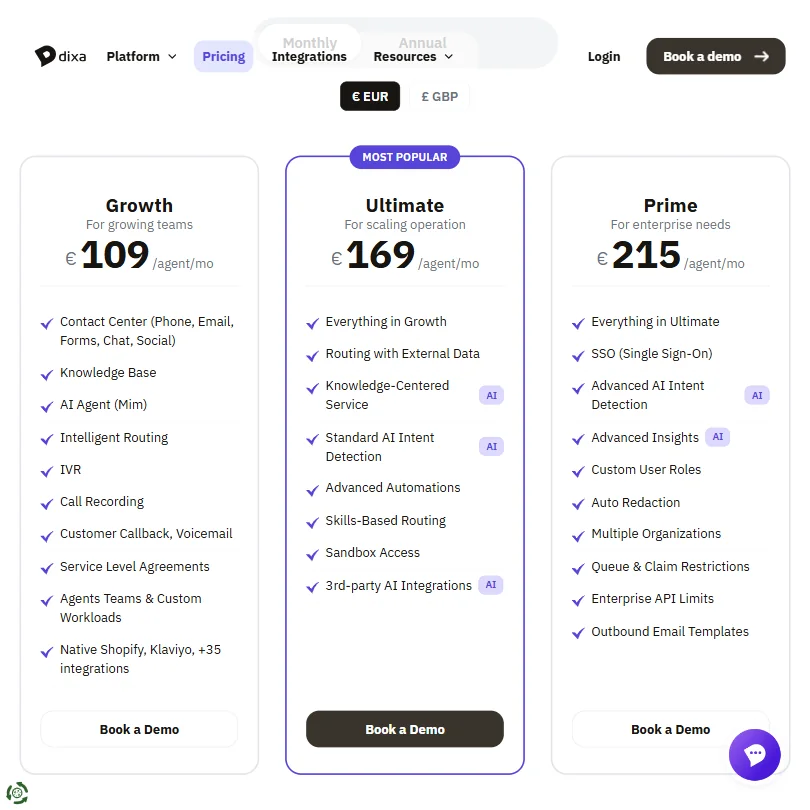
Three published tiers from the pricing page. Growth at €109 per agent per month, Ultimate at €169, and Prime at €215. All require booking a demo rather than self-serve signup.
Dixa prices AI usage per conversation rather than per resolution. That's a meaningful distinction. Per-resolution models, used by some competitors, can produce unpredictable invoices at high volume. Per-conversation is more foreseeable, which matters when you're forecasting support costs against ticket volume.
What isn't published: how AI conversation volume is calculated at scale, and what the refund policy looks like. We looked. Couldn't find answers to either. That gap matters for any team running high-volume support before they sign an annual contract.
At €109 per agent per month on Growth, Dixa isn't cheap for a small team. For a mid-market ecommerce brand doing real support volume across multiple channels, the math probably holds. Startups with three agents and light ticket volume should look elsewhere first.
Dixa vs Zendesk: Which Customer Service AI Wins?
Zendesk is the obvious comparison. Larger ecosystem, more integrations, a brand recognition advantage in enterprise procurement, and a pricing structure that scales in ways that can genuinely surprise you on the invoice.
Dixa's counter-argument is focus. Zendesk is built for everyone. Dixa is built specifically for ecommerce teams measured on customer satisfaction scores and resolution time. Native voice, native Shopify integration, and an AI agent that can execute on actual orders rather than just retrieve information. Zendesk can cover most of this, but often through a patchwork of marketplace apps rather than a single built platform.
Integration breadth is the gap Dixa hasn't closed. Zendesk's marketplace is enormous. Dixa has 35+ integrations and a developer API. For teams living in Shopify and Klaviyo, Dixa's native connectors probably cover daily operations. For teams that need Salesforce or HubSpot confirmed before signing, we couldn't verify those connections exist on Dixa's side. That's a question worth asking directly.
Freshdesk is the budget alternative worth considering if cost is the primary constraint. But Dixa's AI layer is more developed than what Freshdesk currently offers. Gorgias is worth a look for lean teams running primarily email-based support at an earlier stage.
Who Should Use Dixa? (And Who Shouldn't)
Mid-market ecommerce brands running meaningful support volume across chat, email, and phone. That's the fit. Teams where a unified customer view actually changes outcomes, not just teams that want one.
Shopify-heavy operations. The native integration at every tier saves real operational time, and Mim's ability to handle order-related tasks without a human agent is the main event for that audience specifically.
Not the right fit. Very early-stage companies without budget for €109+ per agent per month with no trial option, and businesses that need Salesforce or HubSpot integration confirmed before committing. Large enterprises with highly custom workflow requirements should pressure-test what "enterprise API limits" means at Prime tier before signing anything.
Dixa Review Verdict
A well-built platform for a specific buyer. Channel coverage is real. The AI agent is more capable than most in this category. Native voice from the entry plan is rare at this tier, and the Shopify integration being available at Growth rather than gated is a genuine advantage.
The gaps are real too. No free trial is a genuine problem at this price point, and integration transparency with tools outside the Shopify ecosystem could be better. The independent review trail is thinner than we'd like, which makes pressure-testing vendor claims harder than usual.
Per-conversation AI pricing is a sensible model. The architecture is right. Mim's ability to execute on actual tasks rather than just answer questions puts Dixa in a smaller group of genuinely agentic tools in this category.
Not a risk-free purchase. A well-reasoned one for the right ecommerce team.
How Dixa compares
Dixa scores 5.9 out of 10 among the helpdesks we rate. These three do the same job and are the closest to it, compared on what each vendor publishes.
Zendesk
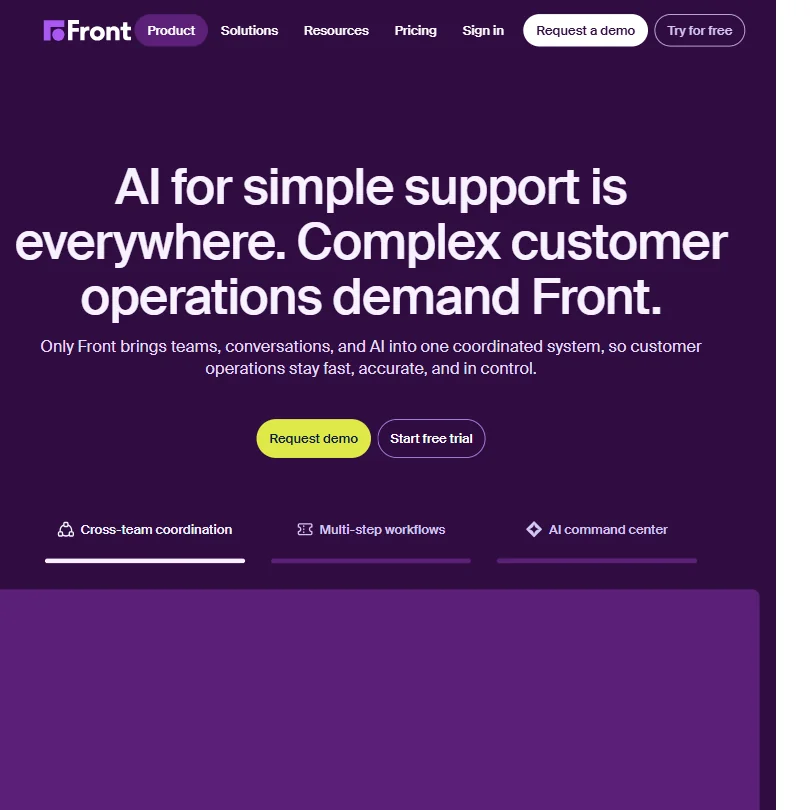
Zendesk's cheapest plan costs $25 a month per agent against Dixa's $109, and Zendesk also offers a 14 day free trial where Dixa requires a guided demo with no trial at all. Zendesk is HIPAA compliant and ISO 27001 certified; Dixa is neither. Dixa counters with a stricter privacy stance: it does not train its AI on customer data, while Zendesk trains its own machine learning models on sanitized customer data. Zendesk also offers five data regions against Dixa's EU only.
Pick Zendesk if you want a lower price and a free trial.
Pick Dixa if keeping customer data out of AI training matters.
Intercom
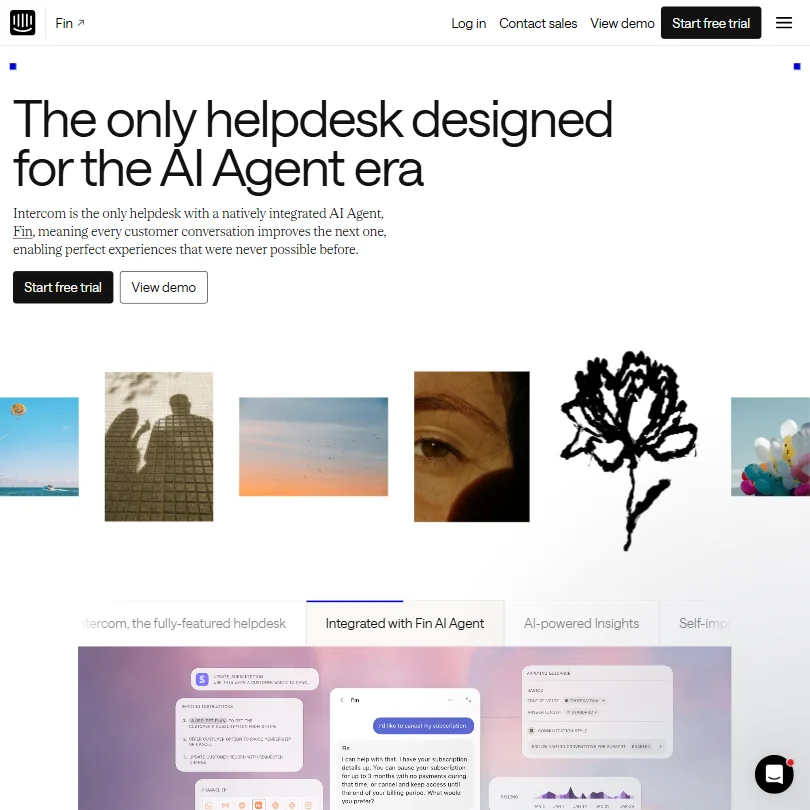
Intercom's Essential plan costs $39 a month per seat against Dixa's $109, and includes a 14 day free trial; Dixa offers none, every rollout starts with a guided demo. Intercom is also HIPAA compliant on its Expert plan and ISO 27001 certified, neither of which Dixa has. Dixa's AI does not train on customer data at all; Intercom lets customers opt out, which is a weaker default. Intercom covers three data regions against Dixa's EU only.
Pick Intercom if you want HIPAA compliance and a free trial.
Pick Dixa if no AI training on your data is non negotiable.
Gorgias
Gorgias starts at $10 a month for 50 tickets, far below Dixa's $109 a month per agent, and includes a 30 day free trial where Dixa offers none. Gorgias is also HIPAA compliant; Dixa is not. Dixa answers with a firmer privacy line: it does not train its AI on customer data at all, while Gorgias's own AI learns across every brand's data with no opt out. Gorgias's AI also answers in 80 languages against Dixa's 30.
Pick Gorgias if you want a lower starting price and HIPAA support.
Pick Dixa if you don't want your data training the vendor's AI.
Frequently Asked Questions
Does Dixa have a free trial?
No free trial, no free plan. The only entry point is booking a demo with Dixa's sales team directly. That's a meaningful ask from teams that haven't seen the product in a live environment, and it's one of the more frustrating aspects of their buying process relative to competitors like Freshdesk or Intercom, which offer self-serve trials. Worth factoring into your evaluation timeline.
What AI model does Dixa use?
Two AI layers. Mim is Dixa's proprietary agentic AI agent, GPT-powered under the hood, designed to handle customer-facing tasks like order changes and refunds without human involvement. Co-Pilot is the second layer, built for human agents, covering sentiment detection and writing assistance. The two run alongside each other rather than as a single system. Custom training happens through your existing knowledge base, and a writing style guide lets you shape Mim's tone to match your brand's voice, at least in principle.
How does Dixa pricing work?
Three published tiers: Growth at €109 per agent per month, Ultimate at €169, and Prime at €215. Enterprise pricing is custom and requires a separate conversation. Dixa charges per conversation for AI usage rather than per resolution, which keeps costs more predictable than models used by some competitors. What they don't publish is how AI conversation volume is calculated at scale. That's a direct question worth asking before you sign.