AI agents are multiplying, but they can't find each other
OpenAI's ChatGPT Work brings agentic AI to everyday workers, but a quieter problem is emerging: as agents proliferate across clouds and platforms, nobody has agreed on how they should discover one another.

The agentic AI wave has arrived, and it is no longer confined to software developers. OpenAI's ChatGPT Work, released last month and available on the $20-a-month Plus tier, lets accountants, marketers, lawyers, and finance teams hand over multi-step tasks to an AI that will navigate browsers, move files, and query connected apps without waiting to be asked at each step. Anthropic has made a similar move with Claude, after both companies noticed that non-engineers had started wrestling their coding agents, Claude Code and Codex, into doing general office work. The tools were not built for that. Now they are.
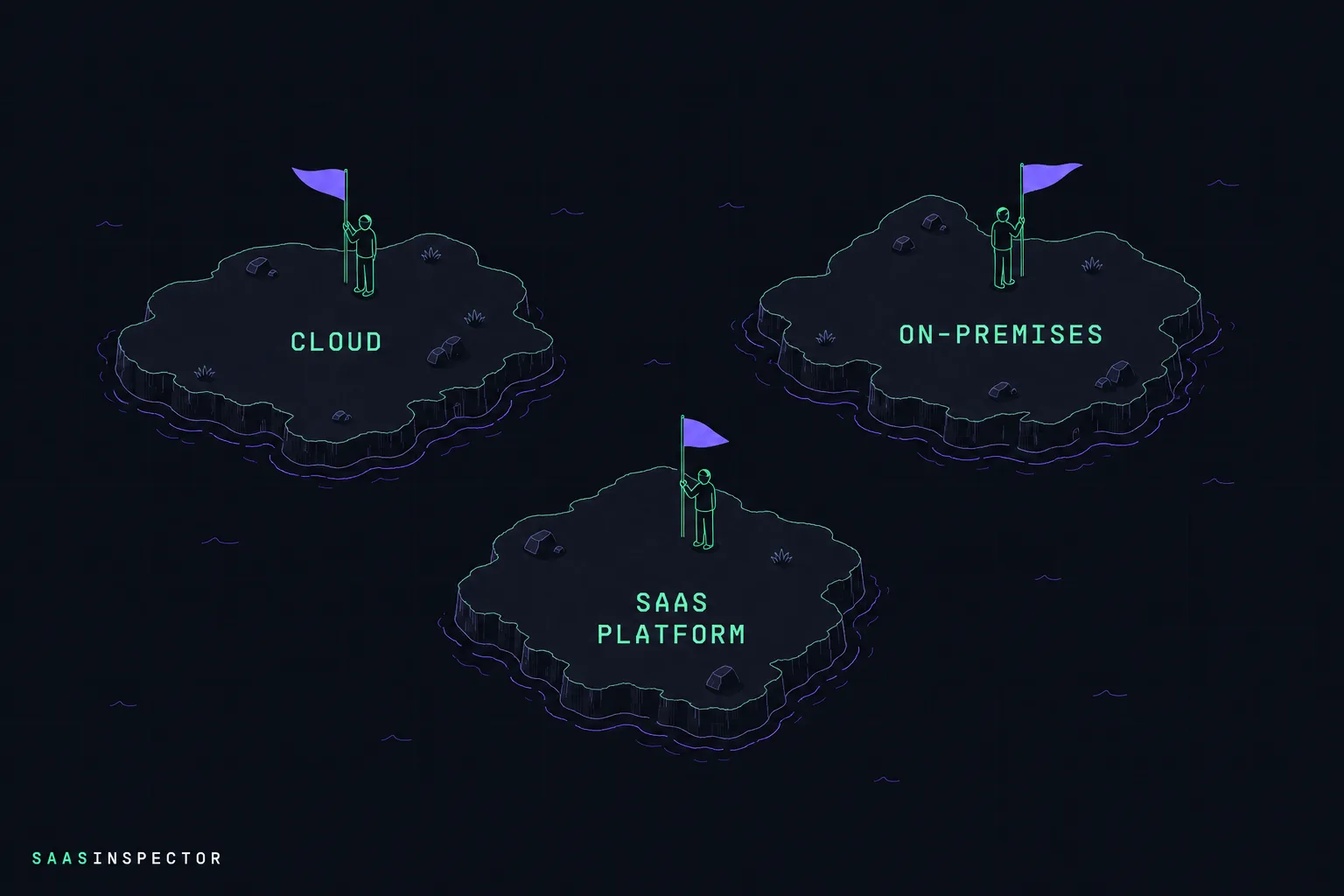
But while the industry celebrates the arrival of agents for everyone, a structural problem is quietly compounding in the background. Agents are being deployed across AWS environments, private data centres, SaaS platforms, and on-premises infrastructure, and they largely cannot find one another. Many agents still remain confined to isolated registries, manually configured connections, or vendor-specific environments. That gap matters more than it might first appear, and this week produced a direct response to it.
ChatGPT Work takes agentic AI beyond the developer audience
ChatGPT Work evolved directly from Codex, OpenAI's coding agent, and that lineage shows both its promise and its growing pains. Andrew Ambrosino, the lead engineer for OpenAI's desktop app, told TechCrunch that non-engineering teams at OpenAI started using Codex at a point when it was "actively hostile to them," surfacing code-specific readouts that meant nothing to a communications or finance professional. Between February and the middle of this year, OpenAI reworked the product into something more general purpose. The result is a tool that can handle what OpenAI's product lead Thibault Sottiaux describes as "entire, very complicated tasks" autonomously. The commercial logic is straightforward: agentic tasks burn more tokens, which makes each user more valuable to OpenAI, and reaching professions beyond software engineering is essential if the company is to justify its infrastructure costs. Vertical rivals like Harvey for legal work and Clay for sales are already competing for those customers, using a model-agnostic approach that plugs in whichever underlying AI performs best.
The real access question is control, not cost
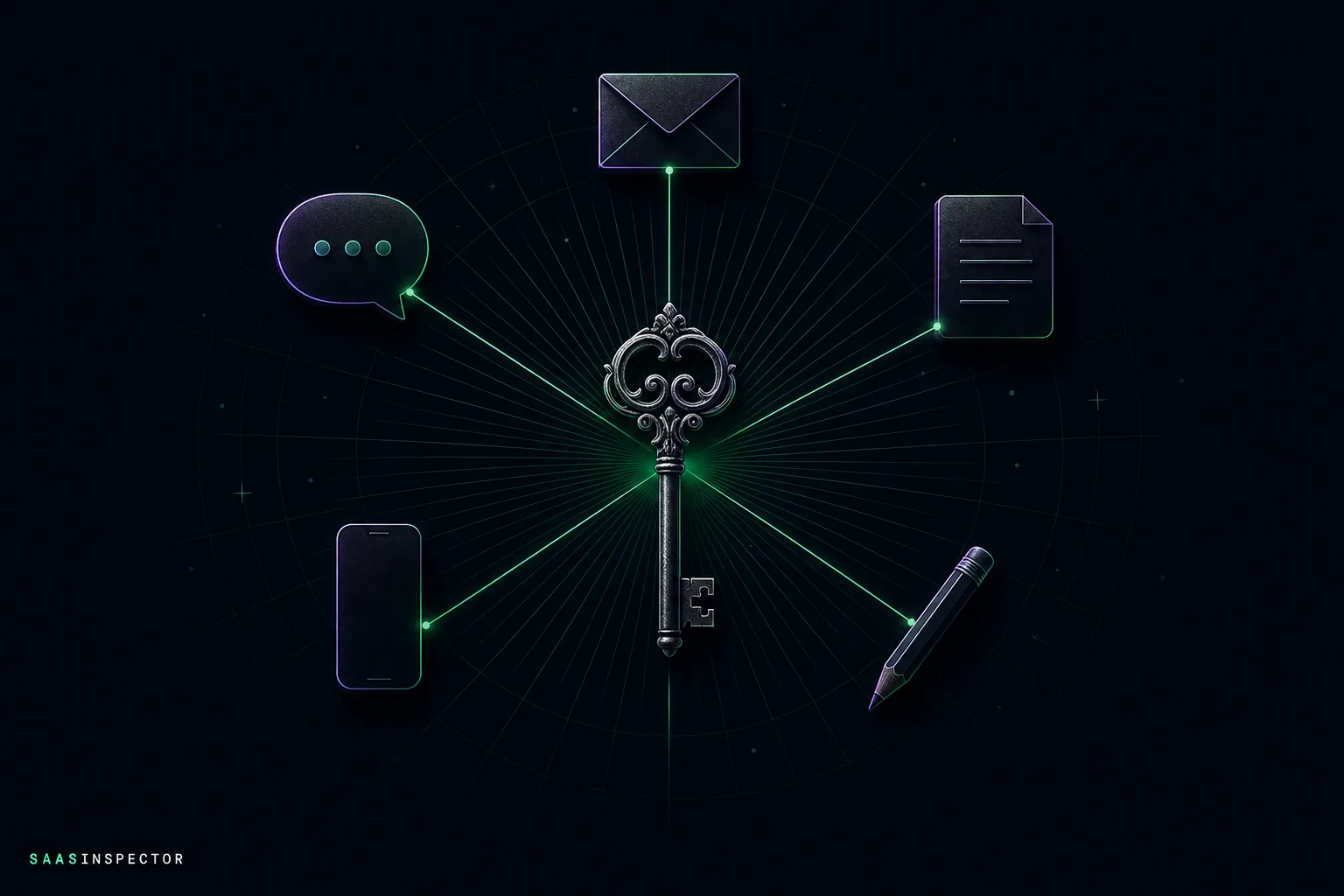
Getting genuine value from an agent like ChatGPT Work means giving it access to the tools where your work actually lives. Ambrosino connects his instance to his inbox, Slack, Notion, Figma, and his phone. He acknowledged to TechCrunch that this creates real risk, including the possibility that the agent might pull from a private direct message and share information it should not. His assessment is that the productivity gain justifies the exposure, but he also works at OpenAI and is paid to stress-test the product. For workers at firms with stricter data governance requirements, that calculation looks quite different. OpenAI positions this as democratising the kind of AI workflow support that engineers already get from tools like Codex. Whether less technical users will extend the same trust to an agent operating inside their calendar and inbox remains an open question, and one the industry has not yet answered convincingly.
AWS ARD specification targets the agent discovery problem directly
While product teams focus on adoption, infrastructure teams are confronting a different crisis of scale. AWS this week detailed its support for Agentic Resource Discovery (ARD), an open specification published under the Apache License 2.0 at agenticresourcediscovery.org and on GitHub. The core problem ARD addresses is that as organisations deploy agents across multiple clouds, SaaS platforms, and on-premises systems, each environment uses its own registry format, its own naming conventions, and its own metadata schema. Connecting them currently requires bespoke connectors for every pair of registries that need to talk to each other. ARD proposes a shared description format and a common discovery protocol so that a resource described once can be found anywhere. AWS draws an analogy to DNS: just as DNS resolves names across networks without bilateral agreements between every pair of nodes, ARD would allow agent registries to federate across environments without proprietary connectors. AWS Agent Registry is built to complement this standard, providing a centralised catalogue for agents, MCP servers, tools, and agent skills within AWS environments, while ARD handles cross-environment discovery.

Why interoperability will define which agent platforms win
The emergence of ARD is a signal that the agentic AI market is approaching a familiar inflection point. Early platform races, from cloud computing to API ecosystems, eventually produced interoperability standards once the cost of fragmentation became too high to ignore. The same dynamic is playing out here faster than expected, because enterprises are not deploying one agent: they are deploying dozens, across tools that were built by different vendors with no shared protocol in mind. Industry analyst Christian Catalini, writing on Andreessen Horowitz's blog, has noted that if AI labs cannot rapidly acquire the complementary assets needed to scale agents in the market, value will accrue elsewhere. Discovery infrastructure is exactly that kind of complementary asset. A world where ChatGPT Work, Claude, and whatever vertical-specific agent a legal or sales team prefers cannot find or coordinate with each other is a world where the productivity case for agentic AI stalls at the team level and never reaches the organisation. Standards like ARD are unglamorous, but they may determine whether the agentic boom delivers on its promise or fragments into a collection of expensive silos.
- Getting started with ChatGPT, OpenAI News ↗
- OpenAI is building AI agents for everything. Will everyone use them?, TechCrunch AI ↗
- How to use ChatGPT Work - and my top 10 tips for getting started with agentic AI, ZDNET AI ↗
- Agentic Resource Discovery (ARD): An open specification for agent discovery, AWS Machine Learning ↗