OpenAI removes ChatGPT free-tier text limits and upgrades models
OpenAI is lifting rate limits on text chats for free users, upgrading their default model to GPT-5.6 Luna, and tightening factual accuracy in GPT-5.6 Sol for paid subscribers — a coordinated push to widen ChatGPT's reach at every tier.

OpenAI has spent years nudging free users toward a paid subscription by throttling access when they hit daily limits. That strategy appears to be shifting. This week the company announced that unlimited text chats are coming to ChatGPT's free and Go tiers, removing the rate limits that previously cut users off mid-workflow. File uploads and image inputs will still carry limits, but plain conversational use — the most common form — will no longer be metered.
The timing is deliberate. OpenAI simultaneously published new data from its ChatGPT Signals report showing how adoption patterns are evolving globally, with country-level breakdowns of how people are actually putting the tool to work. Taken together, the moves look less like isolated product tweaks and more like a coherent strategy: make ChatGPT sticky for the widest possible audience, then upsell from a position of habit rather than necessity.
Free and Go users get GPT-5.6 Luna and a "Think" button
Starting this week, ChatGPT's default model for free and Go tier users is being upgraded to GPT-5.6 Luna, the recently released model that replaces the older default these users had been on. Next week, OpenAI will also add a "Think" button for those tiers, giving users on-demand access to higher reasoning for more complex questions without requiring them to upgrade. That is a meaningful shift: reasoning-mode access has historically been a differentiator reserved for paid plans, and bringing a version of it to free users lowers the practical argument for upgrading purely on capability grounds.

GPT-5.6 Sol gets a factual accuracy overhaul for Plus and Pro
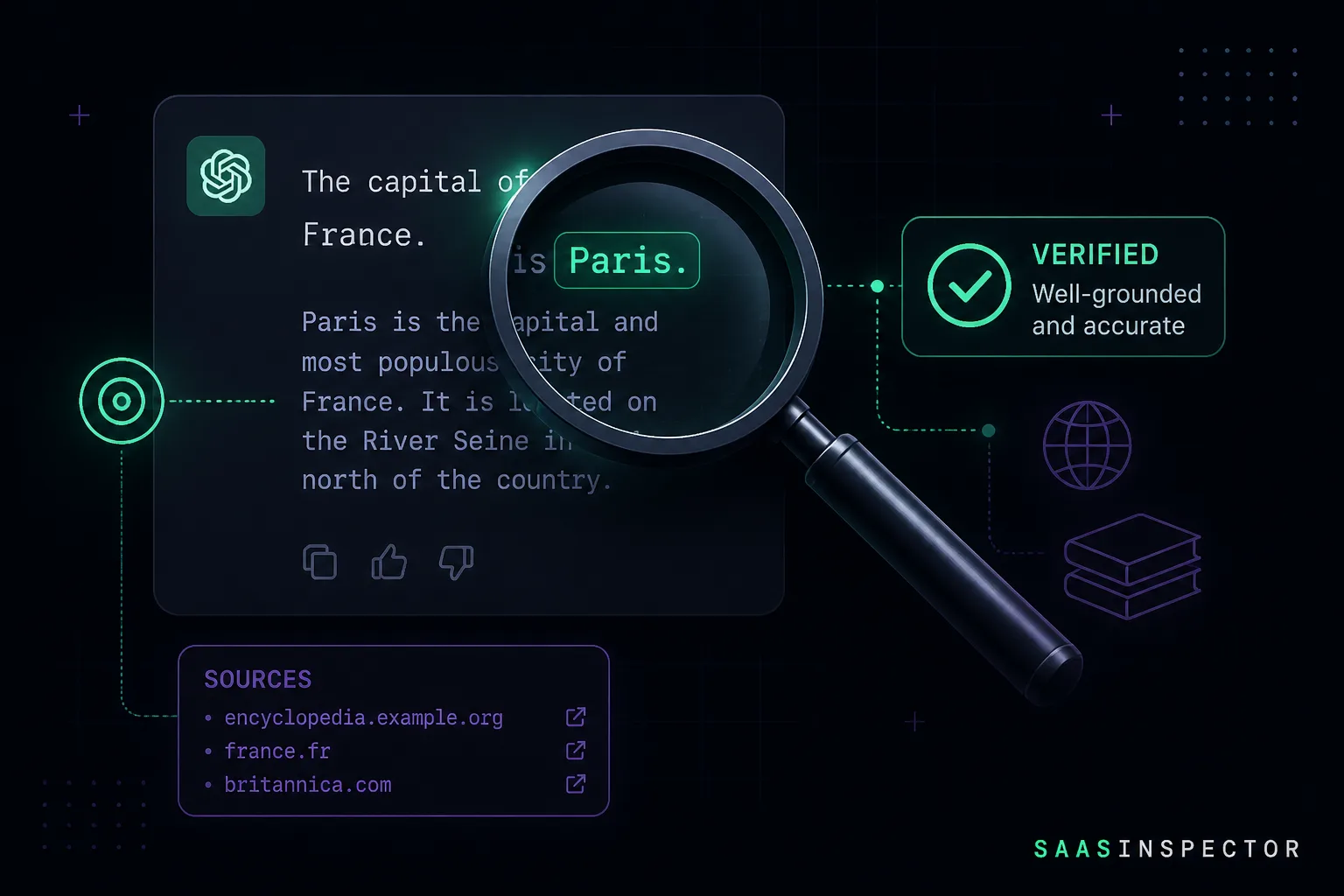
For Plus and Pro subscribers, OpenAI is updating GPT-5.6 Sol specifically to reduce factual errors — particularly in answers that depend on dates, numbers, cited sources, or rule-based reasoning. The company says the updated model will better use the sources it retrieves to ground its answers, produce more direct responses, and trim unnecessary padding from its output. A new reasoning-effort slider also arrives for paid users, letting them manually dial how much computational thought ChatGPT applies to a given question. Both changes roll out Thursday. The focus on reliability over raw capability is notable: it suggests OpenAI is responding to real-world complaints that even its most powerful models still stumble on verifiable facts.
What this means for buyers comparing AI tools
The competitive pressure here is obvious. Google's Gemini and Anthropic's Claude both offer free tiers, and any friction that pushes ChatGPT free users toward a rival is friction OpenAI wants to eliminate. By making the free experience genuinely open-ended for text use, OpenAI reduces the moment where a user hits a wall and considers switching. For teams evaluating AI tools, the practical implication is that ChatGPT's free tier is now a more credible starting point for light or exploratory use — though the continued limits on file and image inputs mean power users will still hit a ceiling quickly. The addition of a "Think" button on free tiers also complicates the value proposition of mid-tier plans, so it is worth reassessing whether Go or Plus subscriptions still justify their cost for your specific workflows.