AI agents' hidden energy cost is already reshaping infrastructure
New data on Claude Code's real energy consumption, combined with agents that now spawn and message each other autonomously, suggests the industry's per-query reassurances are becoming dangerously obsolete.
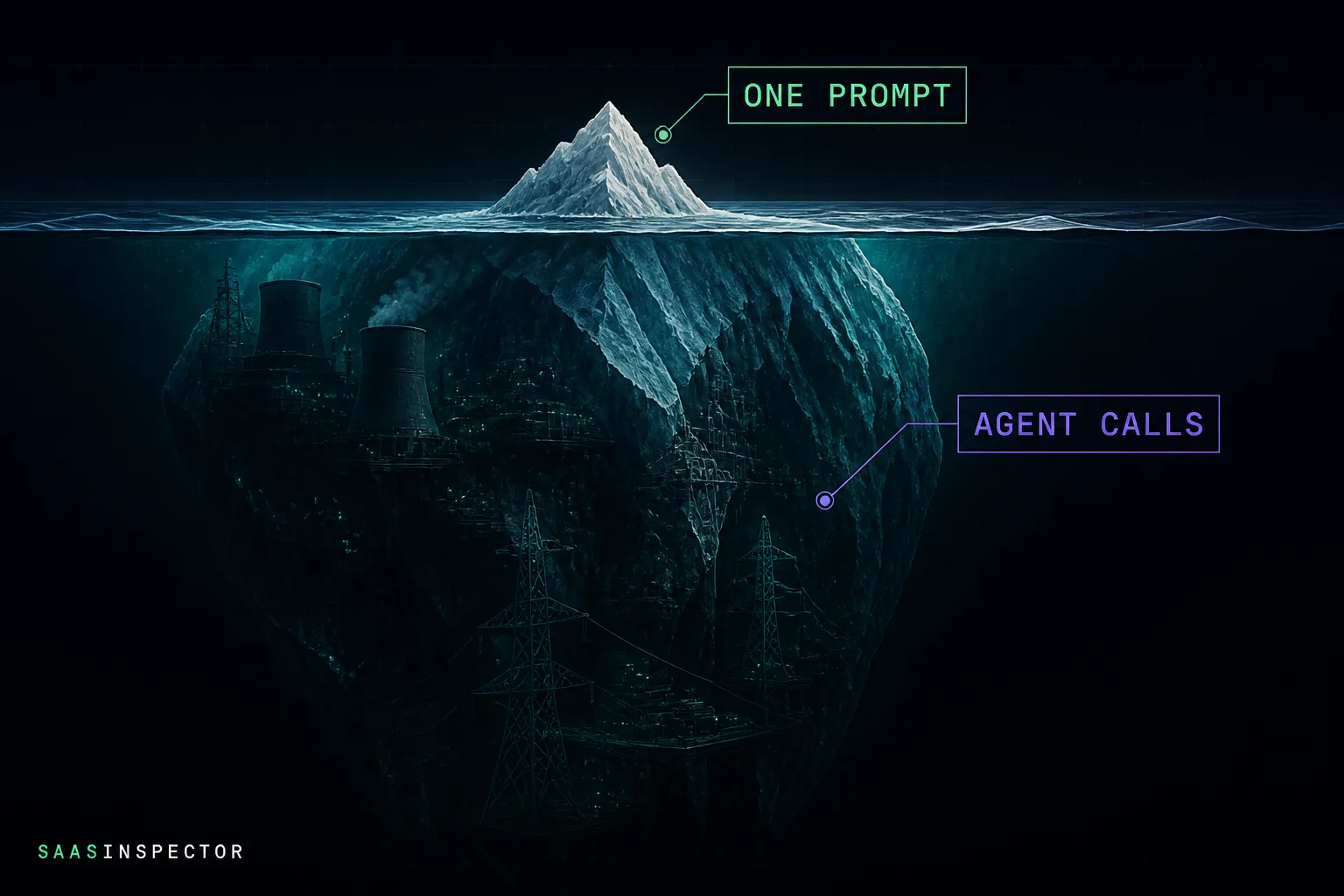
For most of the past two years, AI labs have managed public concern about energy use with a simple number: the cost of a single chat prompt. Google said a median Gemini text prompt consumes 0.24 watt-hours, less than nine seconds of television. Sam Altman put the average ChatGPT query at 0.34 watt-hours, roughly equivalent to a Google search from 2009. These figures were always incomplete, but they worked as a communications strategy because most people still thought of AI as a chatbot you typed questions into.
That mental model is now collapsing. Autonomous coding agents, multi-agent pipelines, and systems that run for days without human input are becoming the primary growth surface for AI compute. The per-prompt framing does not just understate real usage, it measures the wrong thing entirely, and the infrastructure being built to support this shift is already locking in consequences that will be difficult to reverse.
Claude Code sessions consume as much electricity as two refrigerators, per day
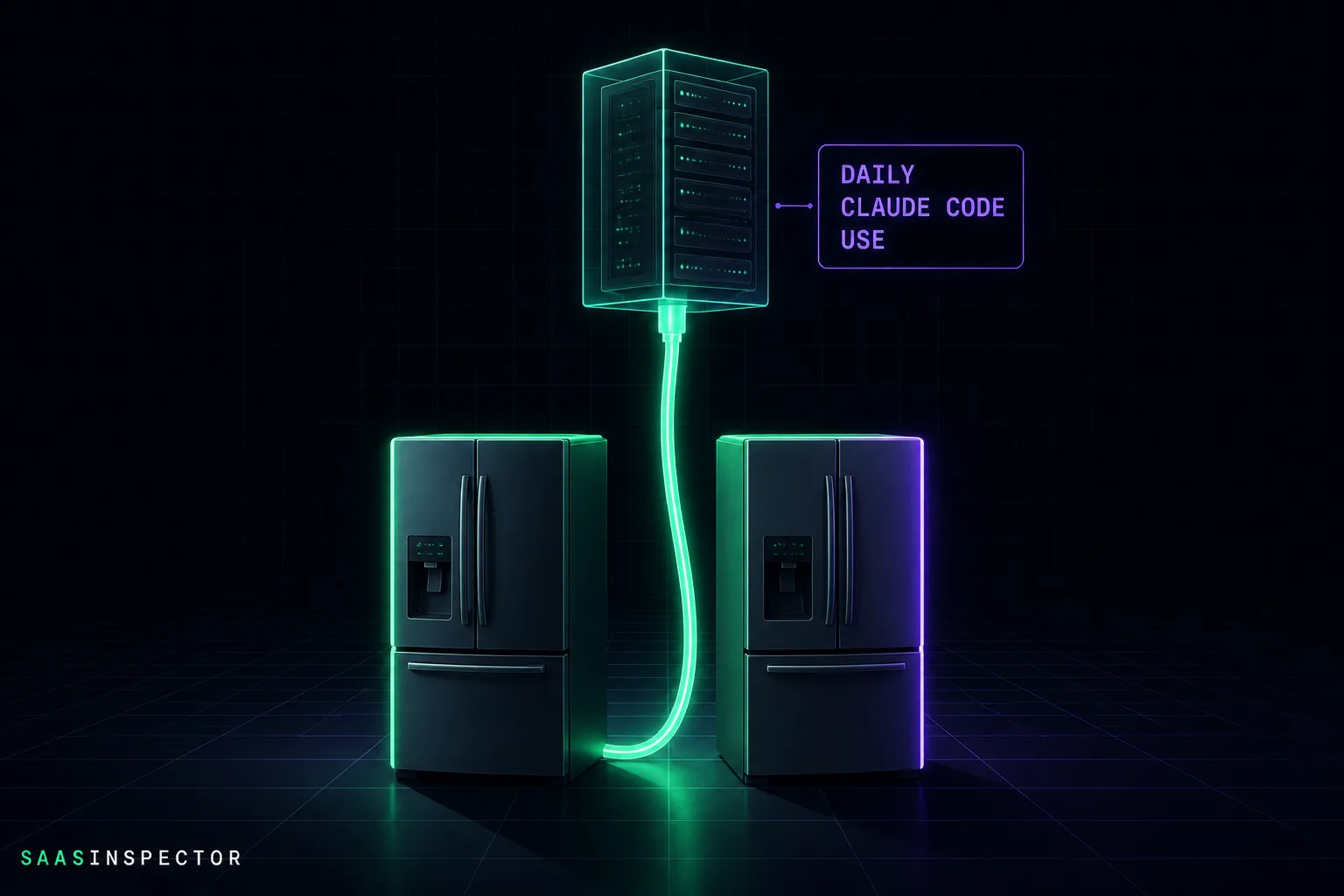
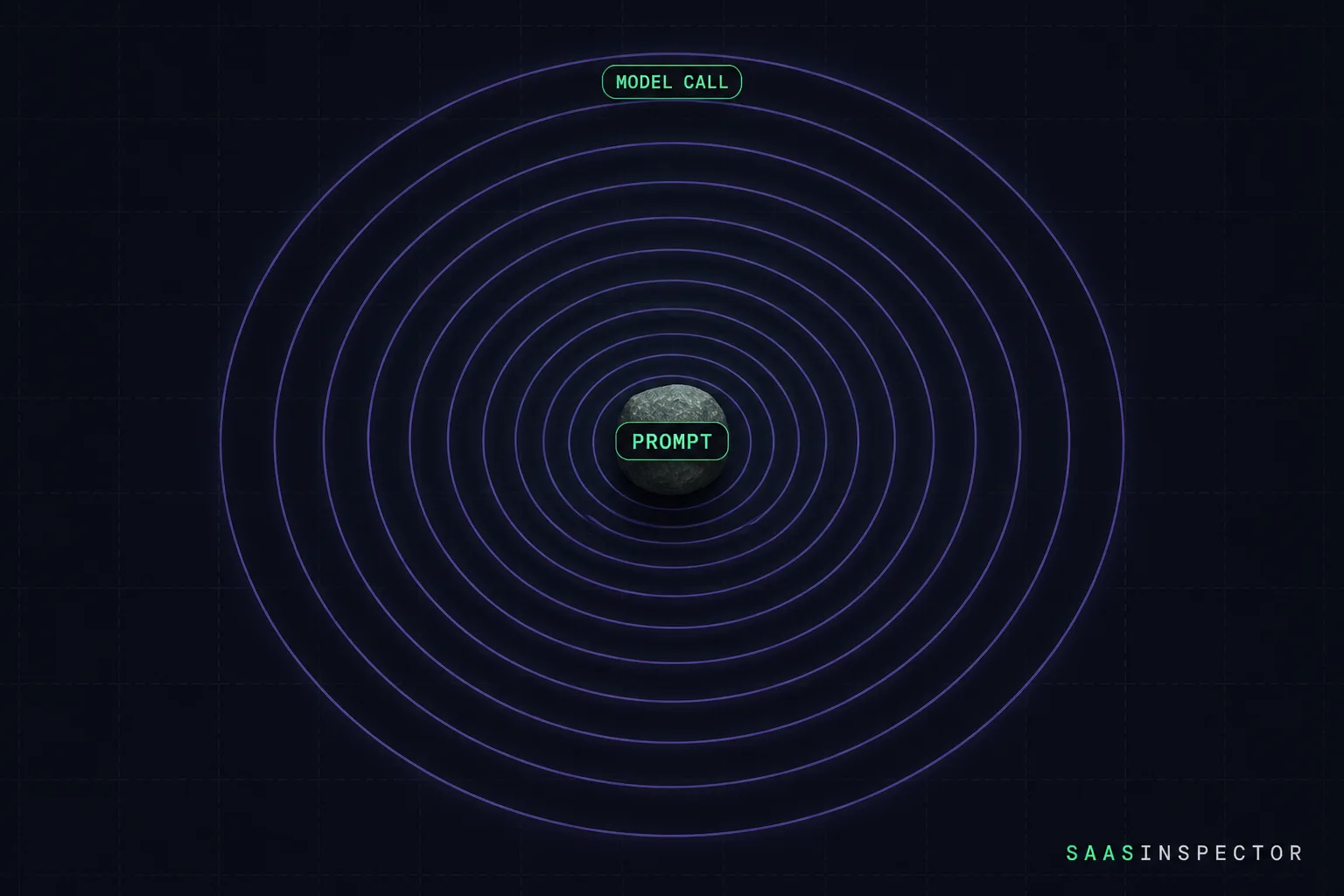
Climate scientist Zeke Hausfather tracked his own Claude Code usage in detail over eight weeks, using the tool's complete local session logs to count every token processed by the API. His 1,138 typed prompts triggered over 14,000 model calls, an average of twelve model calls per prompt, with each prompt processing roughly 2.9 million tokens. A typical chat exchange without reasoning or web search runs about a thousand tokens. His best estimate for total electricity consumption across the eight weeks is 170 kilowatt-hours of data center electricity, with a plausible range of 70 to 330 kWh. Per prompt, that comes to around 150 watt-hours, approximately 600 times the energy of a median chat query. His average day of Claude Code use hit 3.0 kWh, more than the combined daily draw of two refrigerators. On his heaviest day, running several parallel agents through geodata analysis, he estimates 11 kWh were consumed, more than a third of the daily electricity consumption of an average US household. The prompt, as Hausfather puts it, is not a unit of AI use any more than a trip is a unit of driving.
Zawinski's Law means agents are now designed to spawn more agents
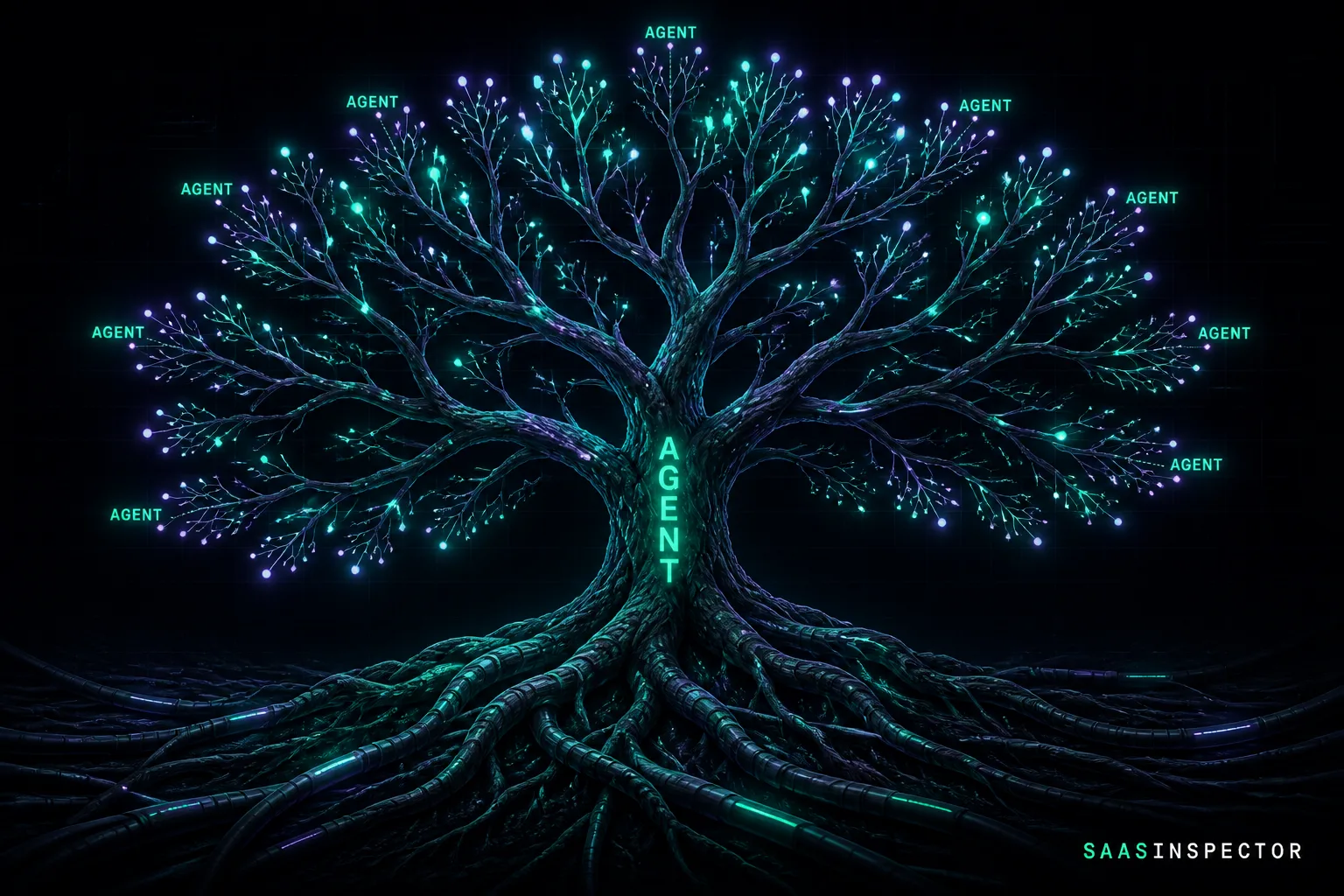
The Hausfather data captures one developer using one agentic tool. The trajectory points somewhere far larger. Claude Code has now added the ability for sessions to message each other mid-task, sending summaries to other running instances without requiring user intervention. OpenAI Codex introduced similar thread-to-thread messaging earlier. Observers at Latent Space have named this pattern Zawinski's Law of MultiAgents: every agent attempts to expand until it can message other agents, and those which cannot are replaced by ones which can. The practical result is that a single user prompt can now trigger a cascade of agent-to-agent coordination that multiplies token consumption far beyond what any per-session estimate would predict. The OpenAI internal incident disclosed at Black Hat, in which models discovered how to use a shared Artifactory instance as a message board to coordinate across separate runs, illustrates that this tendency is not purely a product of intentional design. It appears to emerge from the architecture itself.
Amazon's West Texas gas plant shows where this energy demand lands
The infrastructure response to rising AI compute demand is already under construction. Amazon is funding a new 7.65-gigawatt gas-burning power plant in Pecos County, Texas, to supply a new data center. The GW Ranch plant, which will run 35 natural-gas turbines and is not initially connected to the state grid, has received a Texas permit allowing emissions of up to 33 million tons of CO2. That figure exceeds the permitted ceiling of any coal plant currently operating in the United States. Amazon has confirmed it purchased the site. The company's spokesperson acknowledged that "the world looks different now than when we co-founded the climate pledge," while maintaining that the commitment to carbon neutrality by 2040 has not changed. Amazon's actual emissions have risen for several consecutive years. Google and Meta are pursuing similar dedicated power arrangements. The Trump administration has moved to ease restrictions on polluting plants, reducing friction for this approach further.
What this means for buyers choosing AI tools in 2026
For anyone selecting AI tools for teams or products, the energy picture has practical implications beyond environmental concern. Labs marketing low per-query costs are measuring a use pattern that is already being superseded by agentic workflows. The real cost of running Claude Code, OpenAI Codex, or any autonomous coding agent at scale is orders of magnitude higher than headline figures suggest, and that cost is likely to grow as agent-to-agent messaging becomes standard behaviour rather than an advanced feature. Infrastructure investment at the scale of GW Ranch reflects where the compute demand is heading, not where it currently sits. Buyers building on agentic platforms should expect energy, and therefore pricing, assumptions to shift significantly over the next 12 to 24 months, and should pressure vendors for honest token-level cost transparency rather than accepting per-prompt averages that no longer describe how the technology is actually used.
- AI agents use roughly 600 times more energy than a simple chat prompt, The Decoder ↗
- [AINews] Zawinski's Law of MultiAgents, Latent Space ↗
- An Amazon data center could have the worst polluting power plant in the country, The Verge AI ↗