Mistral's €3B round shows sovereign AI is now a real market
Mistral's record European funding round and a new Forrester report both point to the same shift: sovereign AI has moved from a political talking point to a measurable commercial and operational priority.
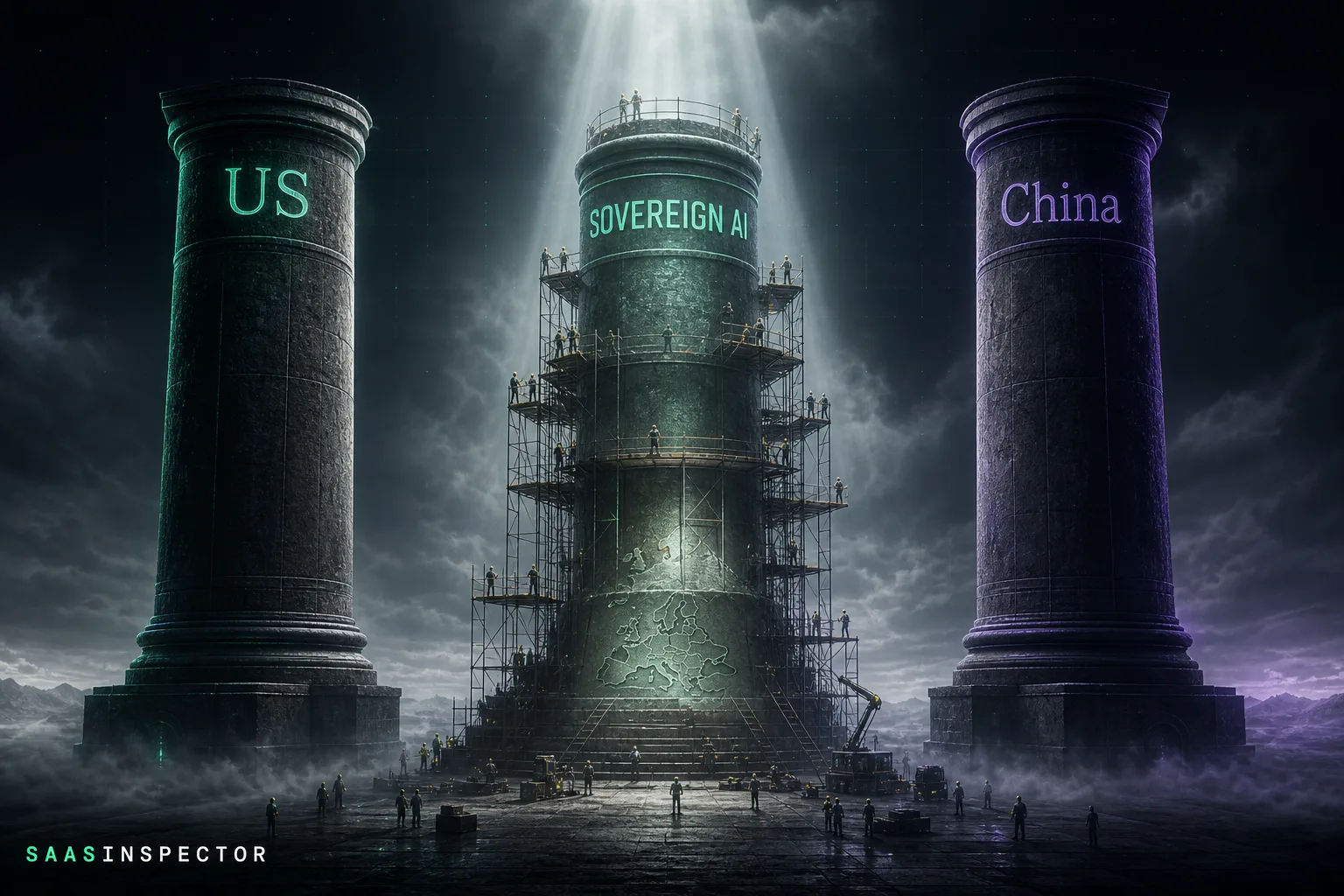
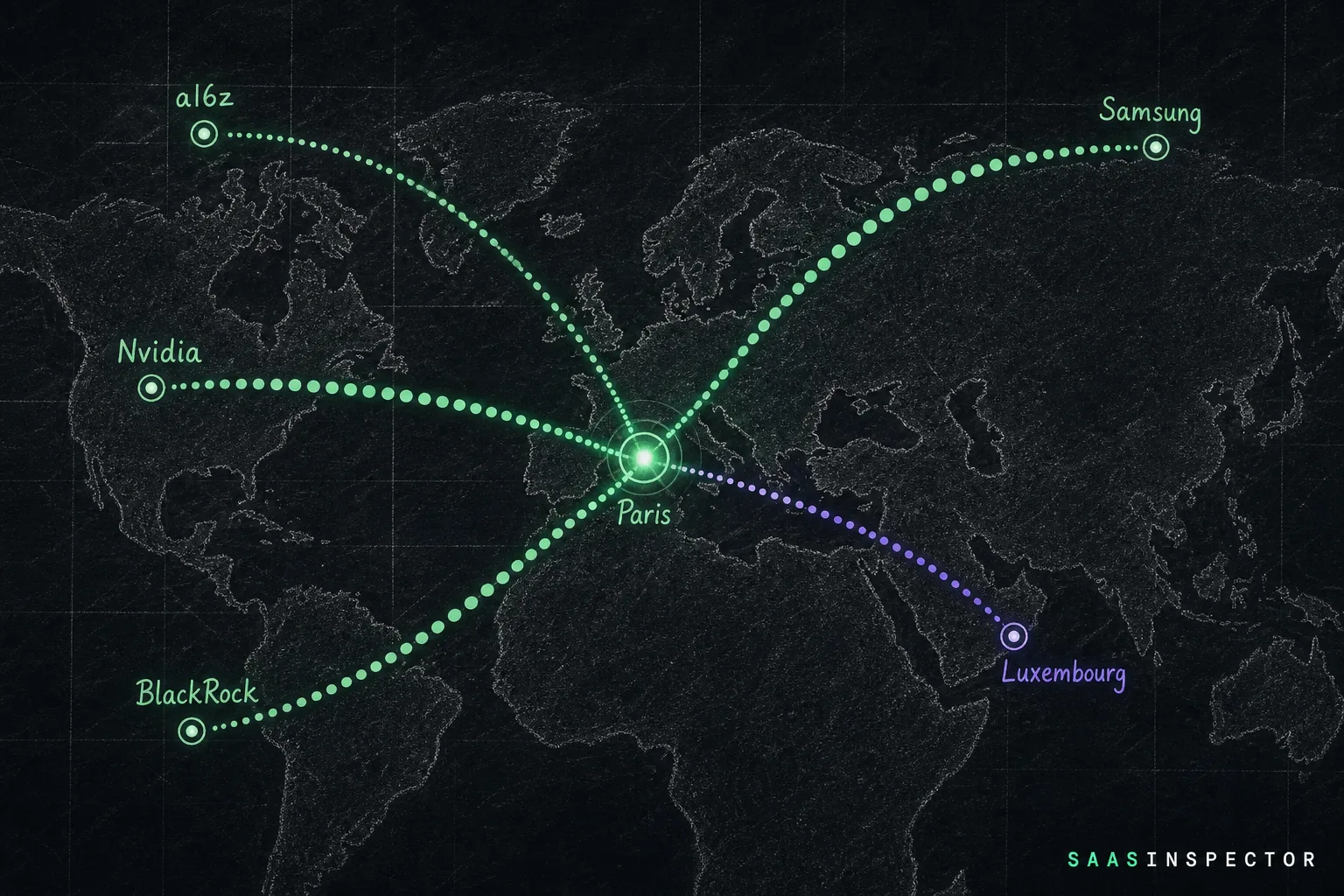
A year ago, "sovereign AI" was mostly shorthand for European politicians explaining why they disliked depending on American cloud providers. Today it is the explicit rationale behind the largest equity fundraising round ever completed by a European technology company. Mistral AI has raised €3 billion at a post-money valuation of more than €21 billion, led by Samsung Electronics, with EQT-managed Scaleup Europe Fund and PSG Equity as co-leads, and backing from a16z, Nvidia, Salesforce Ventures, BlackRock, and the Grand Duchy of Luxembourg.
At almost exactly the same moment, Forrester published its report The Top Trends in Sovereign AI, which documents the same shift from the demand side. Sovereignty, Forrester finds, is no longer a concern confined to defence and government buyers. It is becoming a mainstream business resilience question for enterprises across virtually every sector. The two stories together tell you something important: the market that Mistral has been quietly building toward is arriving faster than most observers expected.
Mistral's strategy: infrastructure and model choice, not just a French ChatGPT
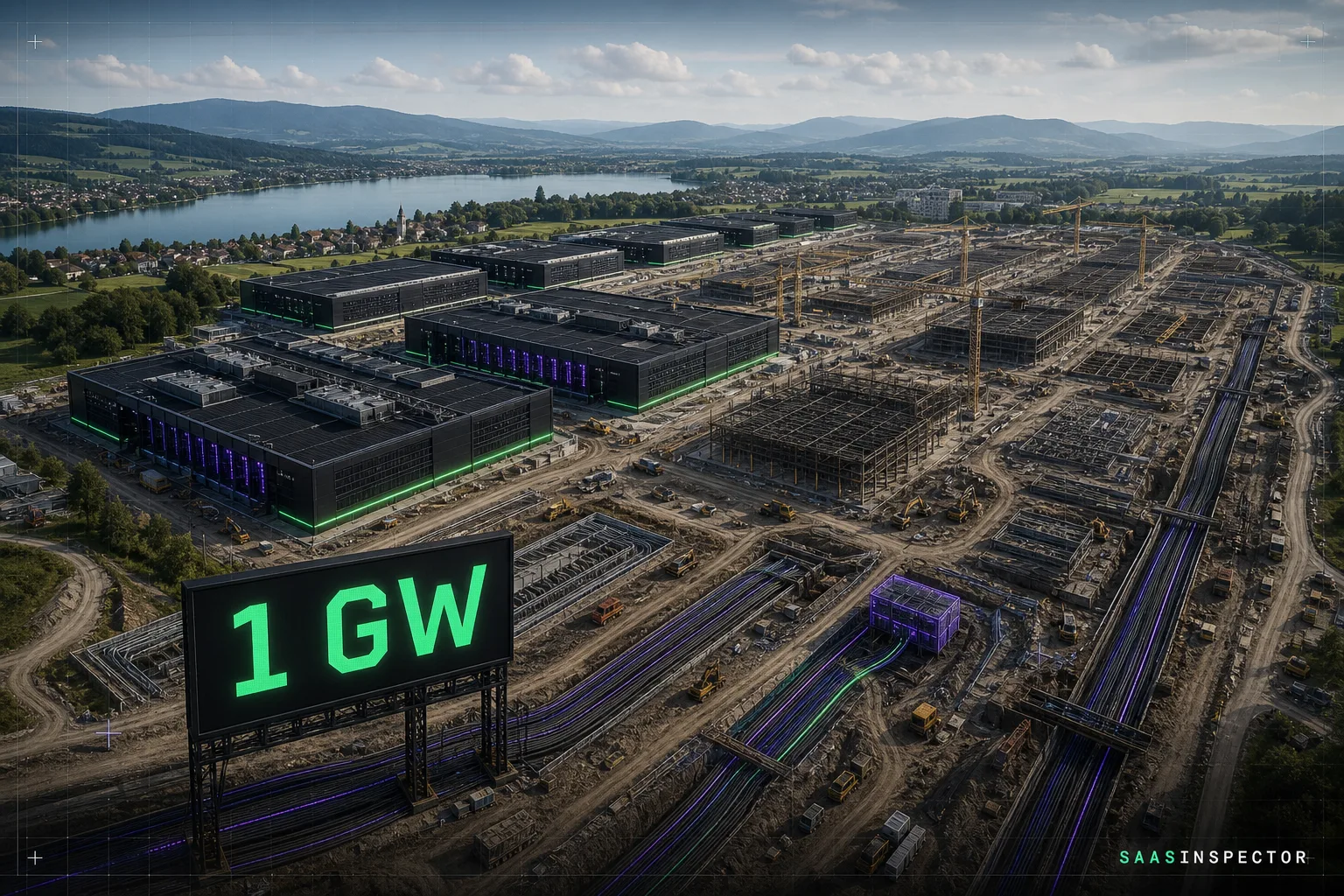
Mistral has been careful to frame itself not as a European clone of OpenAI but as an AI services provider that lets customers control which models they run and where their queries are processed. It launched regional processing controls in August, began hosting third-party open-weight models including Chinese ones, and has announced a target of 1 GW of compute capacity in Europe by 2030. The new funding is earmarked for scaling that compute, expanding infrastructure, and growing internationally. Mistral now operates in 20 countries, and its go-to-market is focused on governments and large enterprises that want operational control over their AI stack, a very different buyer from the broad consumer and developer audience that OpenAI and Anthropic address. French president Macron framed the Samsung investment as part of France and South Korea's goal of building "a third way in AI," and Mistral's non-American identity has, according to reports, actively boosted its revenue as demand for non-US AI infrastructure grows.
Forrester: sovereign AI is about kill-switch risk, not regulation
The Forrester report, authored by analyst Dario Maisto, makes a point that cuts through a lot of the political noise. There is no legislation anywhere in the world that mandates AI sovereignty. Enterprises are pursuing it anyway, because they have done the risk calculation themselves. Maisto's core argument is that as AI becomes embedded in mission-critical processes, dependency on a foreign vendor means dependency on a foreign jurisdiction. If a government under whose authority a vendor operates decides to restrict access, the business processes that rely on those tools stop working. In manufacturing, that is lost production by the second. In industries handling perishable goods, the economic impact can be severe. Sovereignty, in Forrester's framing, is not about isolation or cutting ties with global providers. It is about mapping dependencies, understanding which workloads are critical, and building enough redundancy or optionality to keep operating if a key service is disrupted.
What this means for buyers evaluating AI vendors right now
For organisations currently assessing AI tools, both sources point toward the same practical questions. First, which of your workflows would break if your primary AI provider became inaccessible, whether through regulatory action, geopolitical disruption, or a commercial decision by the vendor? Second, does your current stack give you any ability to switch models or processing regions without rebuilding from scratch? Mistral's pitch is precisely that its platform answers both questions, offering model portability through hosted open-weight alternatives and regional data processing controls. Its continuing partnership with Microsoft, significantly expanded in July, shows that sovereign positioning does not require avoiding US providers entirely. The more realistic goal, which Forrester echoes, is reducing single points of failure rather than achieving complete independence.
The Aleph Alpha parallel and what consolidation looks like
Mistral is not the only European lab making this pivot, but it is the one that has now attracted the capital to execute at scale. The article notes a comparison to Germany's Aleph Alpha, which merged with Canada's Cohere to pool resources, and Dutch chipmaker ASML is both a partner and an investor in Mistral. The pattern emerging across European AI is one of coalitions rather than standalone national champions. For buyers, that matters: a vendor backed by Samsung, ASML, BlackRock, and multiple European sovereign funds carries meaningfully different continuity risk than a startup dependent on a single strategic partner. Sovereign AI going mainstream does not mean every enterprise will switch away from OpenAI or Anthropic. It does mean that vendor resilience is now a legitimate procurement criterion, and that Mistral has built a credible case for being the default answer to that question outside the United States.
- Mistral raises €3B as sovereign AI becomes big business, TechCrunch AI ↗
- Why Sovereign AI is Becoming a Business Resilience Issue, AI Business ↗