Google Gemini now calls businesses and gets a face
Two separate launches this week push Gemini from conversational chatbot toward an assistant that takes action, but availability is narrow and conditions apply.
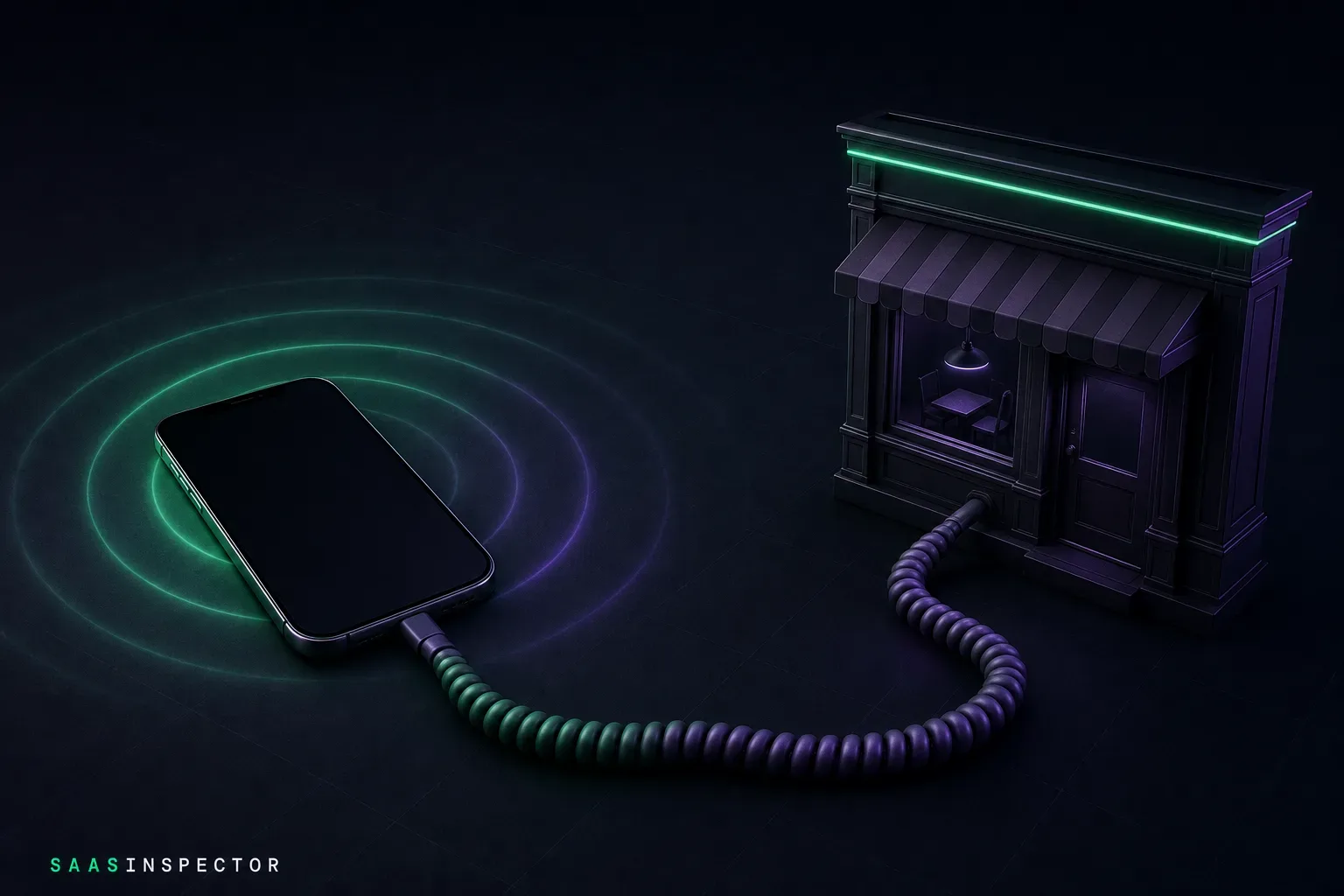
For years, Google has been promising an AI assistant that does things rather than just talks about them. This week, two announcements moved Gemini closer to that. Call for Me lets Gemini make phone calls to businesses on your behalf, handling menus, hold music, and the actual conversation. Gemini 3.8 Live with Live Avatar gives the model an animated face and synced voice for enterprise deployments. They are separate products aimed at different audiences, and the gap between what Google is demonstrating and what most users can actually access today is significant.
Both launches come with real restrictions, and those restrictions are what matter when you set Gemini against the assistant you already use.
Call for Me: what Gemini can do on the phone, and for whom
Call for Me is an early experimental feature, available today only to Pixel 11 owners in the United States who hold a paid Gemini subscription and have enrolled in the Phone by Google app public beta. Those three conditions must all be met simultaneously. It works only on the Pixel 11, only in English, and Google is deliberately keeping the rollout small, citing the nuance of real-world conversations. When conditions are met, users can tell Gemini to call a local business, and Gemini will introduce itself, navigate automated phone menus, wait on hold, and carry out a task such as booking a restaurant reservation, checking whether a product is in stock, rescheduling an appointment, or placing an item on hold. The call is made from the user's own phone number, in the same voice Gemini Live uses. A live transcript runs on screen throughout, and the user can take over the conversation at any point. Gemini will not call emergency services, and Google says it will politely end calls when a business cannot accommodate the request. Google has acknowledged open questions about accent recognition and noisy environments, which is precisely why the experiment is being run at limited scale.
How Call for Me extends Google's existing Pixel calling features
Call for Me is not Google's first attempt at AI-assisted calling. Google demonstrated Duplex at I/O almost a decade ago, a feature that could call salons and add convincing verbal fillers like "umm" to sound human. Duplex was eventually shut down. More recently, Pixel phones have offered Hold for Me, which waits on hold and alerts you when a human answers, Direct My Call, which displays IVR menu options before they are spoken, and Ask for Me, a narrower predecessor to Call for Me that could query businesses about pricing or services but without any user takeover option. Call for Me extends the scope considerably, allowing Gemini to share user-approved personal information during calls and handle multi-turn conversations rather than simple lookups. Each step so far has been incremental, and Google says it will widen Call for Me only once it has the feature right.
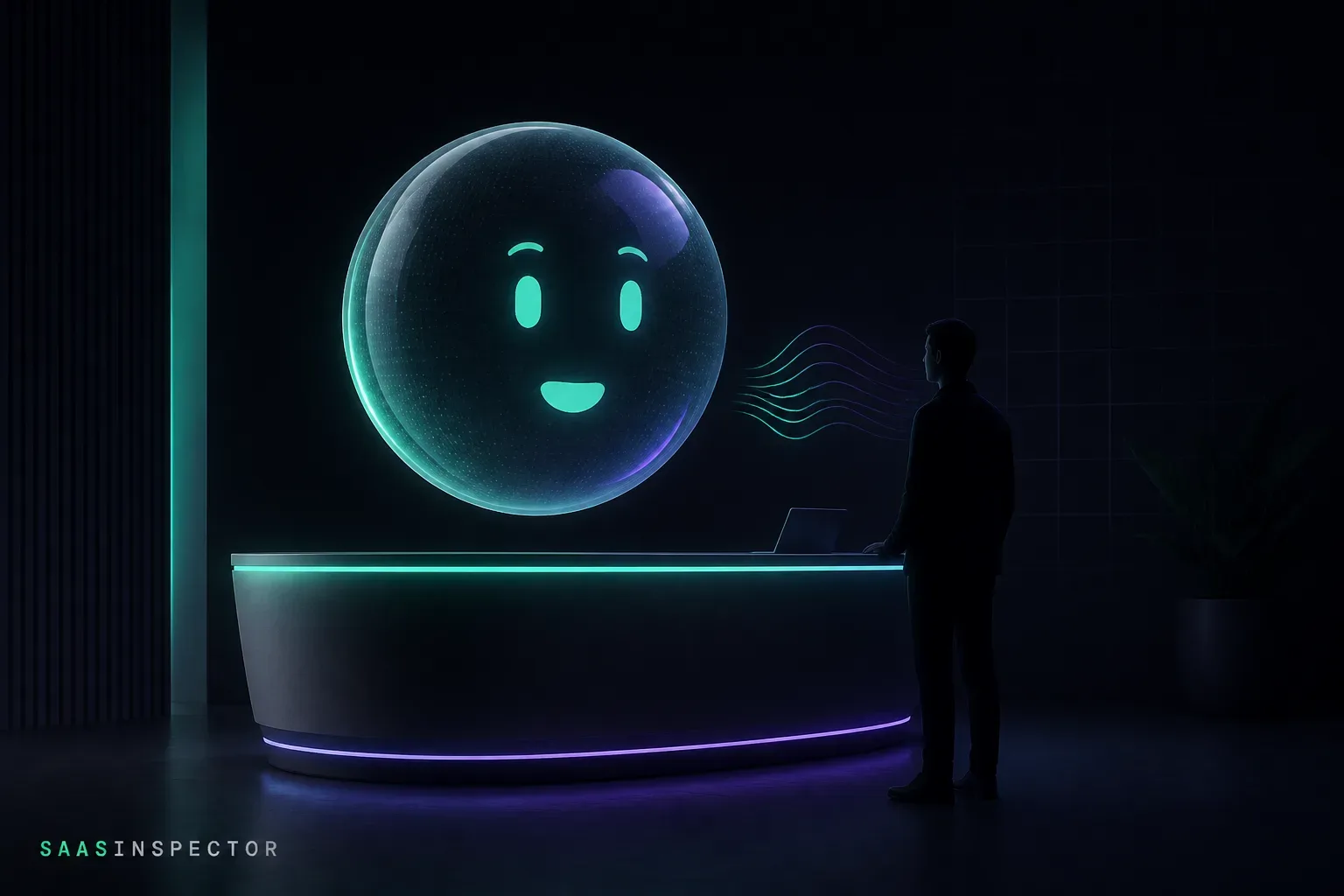
Gemini 3.8 Live with Live Avatar: enterprise chatbots gain a face
Separately, Google DeepMind has released Gemini 3.8 Live with Live Avatar, available now inside Gemini Enterprise. This is not a consumer feature. It pairs the Gemini 3.8 Live model, which processes audio and visual inputs in near real time, with a generated video persona that lip-syncs and produces facial expressions during conversation. Google says the avatar supports 97 languages with continuous lip-sync adaptation and no visual drift when switching between them. Organisations can choose from a library of preset avatars or, through an enterprise allowlisting process, supply a reference image to generate a custom avatar that preserves brand or character identity. All audio and video output carries Google's SynthID invisible watermark, which is designed to keep AI-generated content identifiable. The uses Google shows are all for businesses: customer service, interactive walkthroughs and checking a guest in at a hotel. Asynchronous tool calling means the avatar can fetch data in the background without pausing the conversation. An individual Gemini subscriber cannot use it today.
What these two launches tell you when choosing an AI assistant
Taken together, the launches show Google building Gemini into a platform that acts on behalf of users rather than simply responding to them. That is also the direction Meta is heading with its Muse agent and its own automated calling ambitions. The meaningful difference is that Call for Me uses the actual phone and the user's real number, with a live transcript and a human override option, whereas Meta's approach reportedly may involve humans behind the scenes in some cases. For anyone choosing between the AI assistants we review, the picture is this: Call for Me is a limited US experiment for Pixel 11 subscribers only, and Live Avatar is an enterprise API product, not a consumer one. Neither is broadly available yet. Both are worth watching, but neither changes the day-to-day experience for most Gemini users this week.
- Google tests letting Gemini call businesses for you, TechCrunch AI ↗
- Google’s Gemini Can Now Make Calls for You on Pixel Phones, Wired AI ↗
- Introducing Gemini 3.8 Live with Live Avatar, Google DeepMind ↗
- Gemini 3.8 Live with Live Avatar gives Google’s AI a face, The Verge AI ↗
- Gemini can now call businesses for you so you don’t have to wait on hold, The Verge AI ↗