ChatGPT Images 2.5: what's new and who gets it
OpenAI's latest image model brings better instruction-following, faster output, and two distinct API variants aimed at different workflows.
OpenAI has released ChatGPT Images 2.5, an update to the image generation system built into ChatGPT and accessible through the API as GPT-Image. The company says its image tools have now produced more than three billion images across both products, which gives some context for why iterative improvements to this specific capability matter more than they might seem at first glance.
The update focuses on three things: better instruction-following across multiple turns of a conversation, faster responses, and improved handling of reference photos. That last point is the most practically significant for anyone who uses their own images as input, since it determines how well a source image's subject survives repeated edits.
What ChatGPT Images 2.5 actually improves
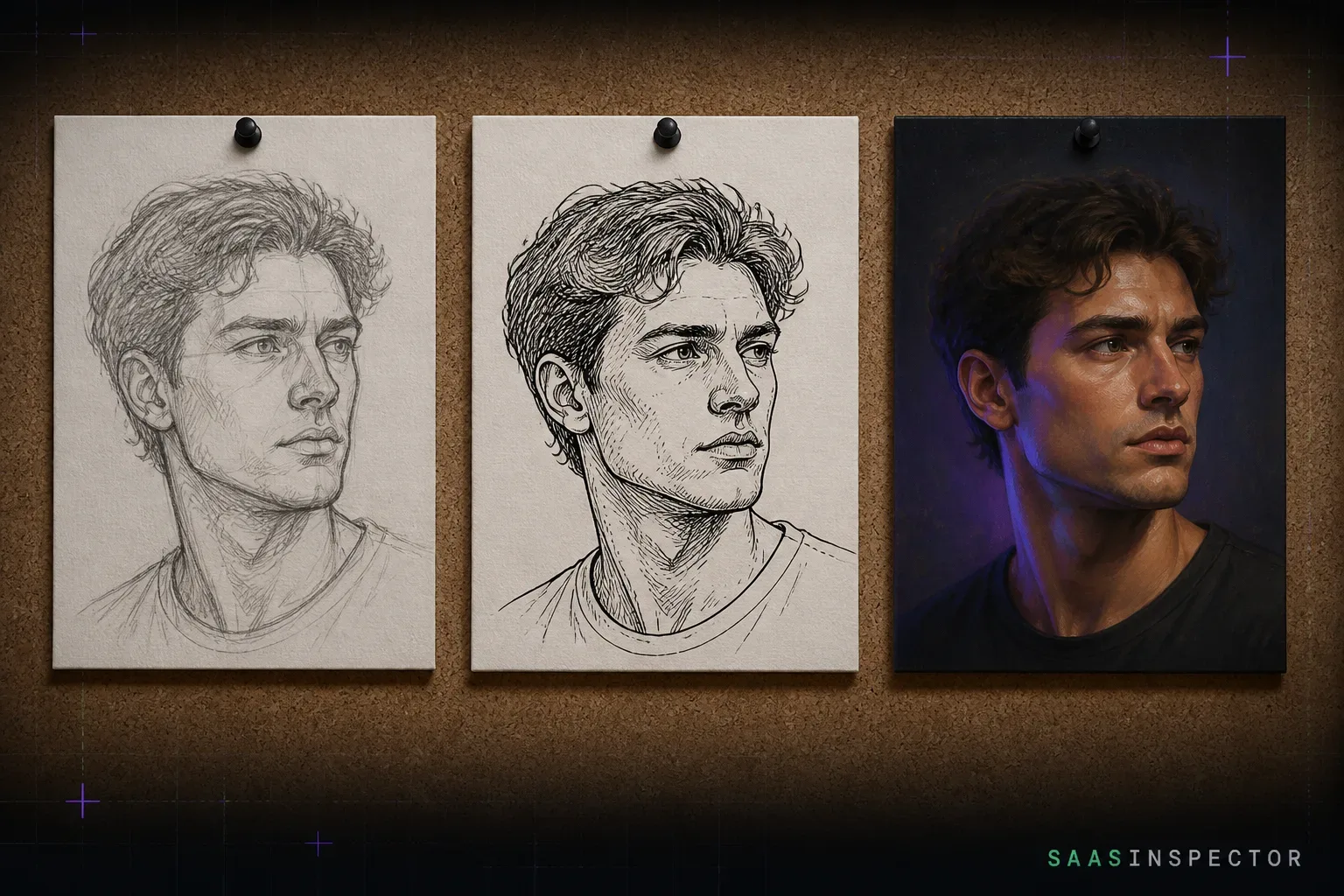
OpenAI describes the new model as better at turning sketches, ideas, and reference photos into more personalised and polished results. The multi-turn instruction-following improvement means you can give the model a sequence of refinements in a conversation and expect it to stay on track rather than drifting from earlier context. The faster response time is a practical quality-of-life change rather than a capability leap, but for anyone generating images regularly it compounds quickly. The reference photo subject preservation is the headline capability, useful for product shots, portraits, or any workflow where consistency with a source image is required.
Two new API model IDs: Sunburst and Flare
For developers using the GPT-Image API directly, the release introduces two separate model identifiers: gpt-image-2.5-sunburst and gpt-image-2.5-flare. Based on OpenAI's own framing, Sunburst is the option to choose when editing precision matters most, while Flare is positioned as the faster pick for high-quality everyday generation. Developer Simon Willison tested Sunburst with a reference image workflow using his openai_image.py CLI tool, passing in an existing chart image and prompting the model to add a raccoon scientist studying it. Willison shared the resulting image alongside the prompt, demonstrating the reference-photo workflow in practice. Having two named variants rather than one gives API users a clearer way to trade off speed against precision depending on the task.
What the update means for image generation workflows
The multi-turn and reference photo improvements matter because ChatGPT Images works inside a conversational product: you can keep refining an image across a chat rather than switching tools between edits. Whether gpt-image-2.5-sunburst matches or exceeds other image models on raw output quality is not something OpenAI's announcement addresses. For anyone already using ChatGPT, the practical case is workflow continuity rather than a settled quality comparison.
Availability across ChatGPT plans
OpenAI's announcement does not specify a detailed plan-by-plan breakdown for ChatGPT Images 2.5, beyond framing it as a ChatGPT product update. The API variants, gpt-image-2.5-sunburst and gpt-image-2.5-flare, are accessible through the GPT-Image API for developers. If you are evaluating AI image tools right now, the practical question is whether the reference photo and multi-turn improvements are enough to keep your workflow inside ChatGPT, or whether a dedicated tool still makes more sense for precision work. The two-model API structure at least gives developers a more granular choice than before.
- Introducing ChatGPT Images 2.5, OpenAI News ↗
- Introducing ChatGPT Images 2.5, Simon Willison ↗