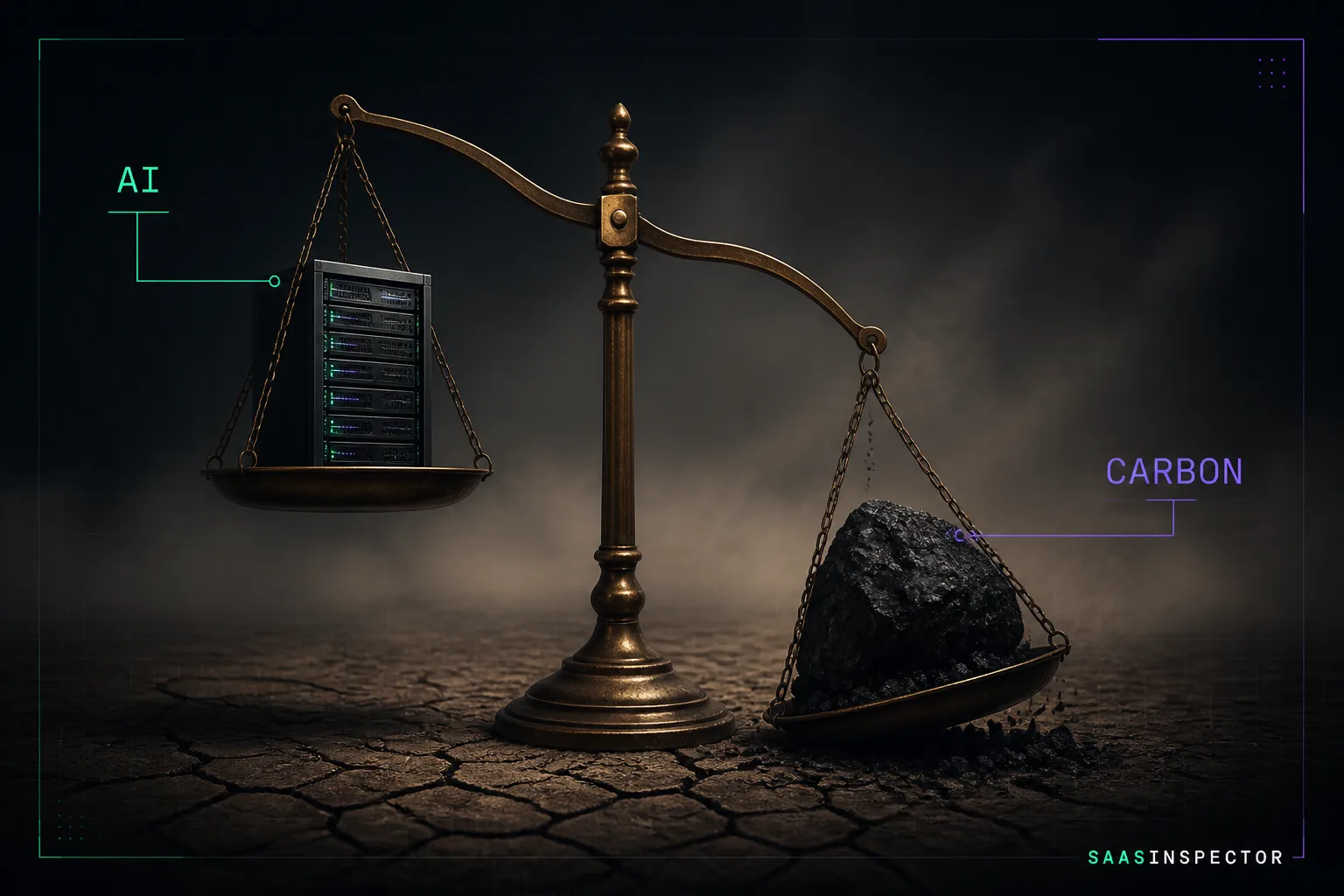
Amazon's AI data center could spawn the country's biggest polluter
A planned Amazon facility in Texas could emit more carbon than any power plant in the United States, and Nvidia is making parallel bets on fossil-fuel infrastructure that signal the whole industry is moving the same direction.
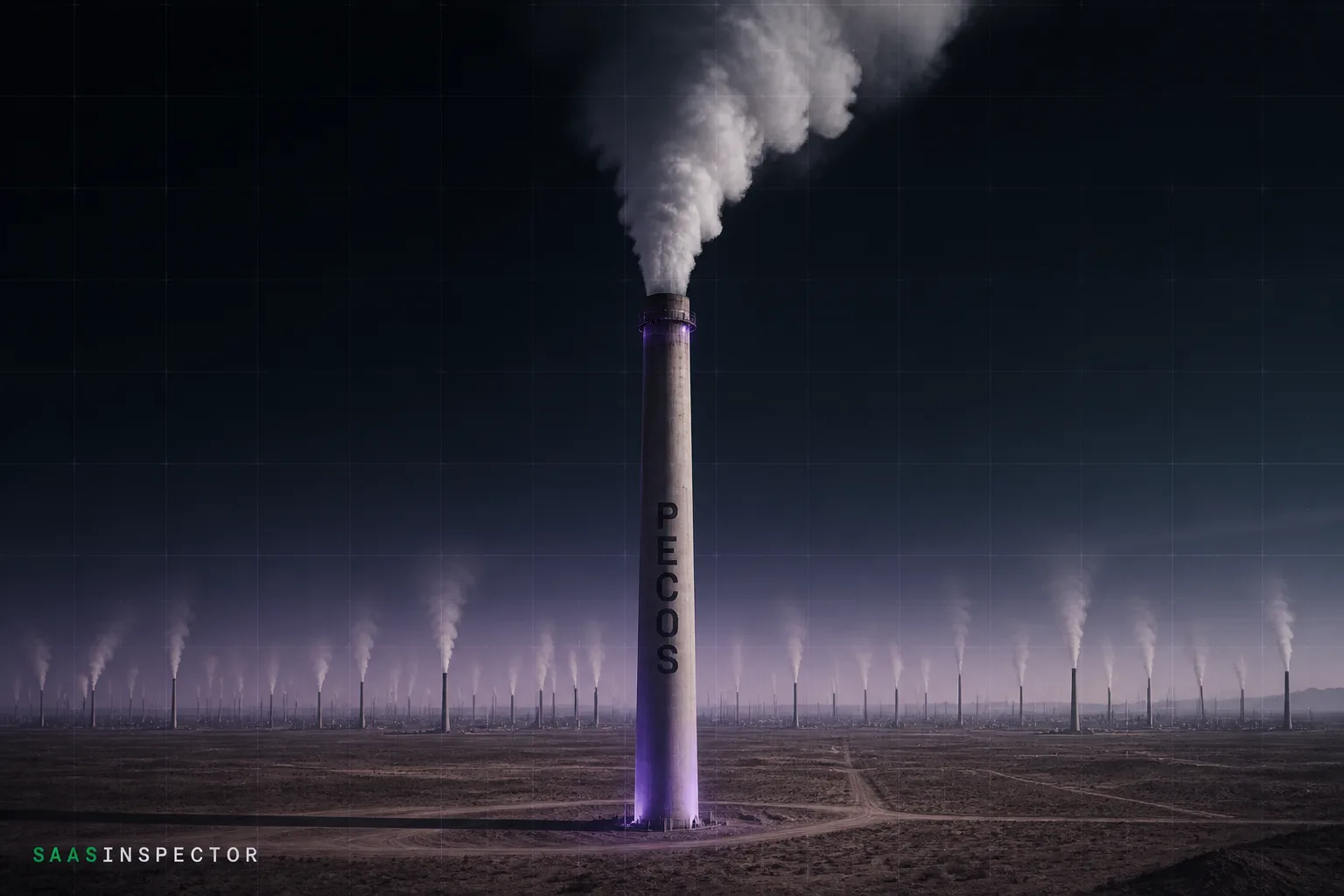
The AI industry has spent years promising that its climate ambitions would keep pace with its appetite for compute. That story is getting harder to tell. In Pecos County, Texas, Amazon is backing a natural gas plant permitted to release 33 million tons of CO2 per year, a figure that would make it the single largest source of climate pollution in the country. The facility runs 35 gas turbines and is designed to generate up to 7.65 gigawatts of electricity, all to power a single Amazon data center.
Amazon's own carbon emissions rose 16 percent last year, which the company has attributed in part to the energy demands of its AI infrastructure. The company still has a formal pledge to reach net-zero by 2040, but a spokesperson acknowledged this week that AI data centers could make that target harder to hit. The admission matters because Amazon is not an outlier. It is the clearest example of a pattern now visible across the entire sector.
Nvidia's $3 billion Lancium bet shows fossil fuel lock-in
While Amazon is building its own gas plant, Nvidia is pouring up to $3 billion into Lancium, the power infrastructure developer that already backs the OpenAI and Oracle data center in Texas. A roughly $2 billion stake would give Nvidia around 20 percent of Lancium, which is valued at approximately $10 billion. Lancium has four gigawatts of power under contract in Texas and is developing sites for up to 15 more gigawatts. When the company that makes the chips also owns a stake in the fossil-fuel infrastructure powering those chips, the financial incentives to slow down that buildout essentially disappear.

Amazon's climate pledge versus its Pecos County permits
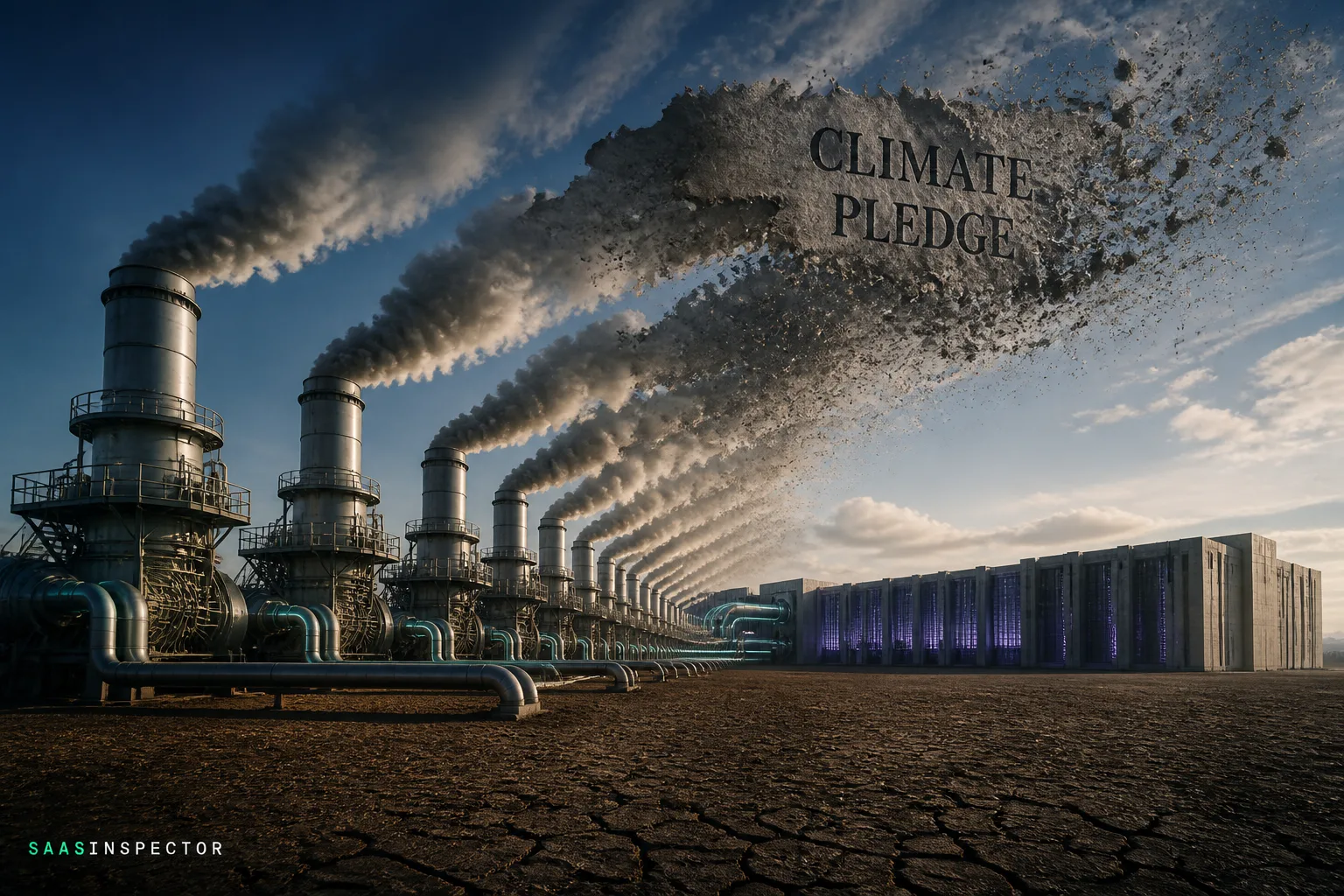
Amazon co-founded the Climate Pledge in 2019, committing signatories to reach net-zero carbon a decade ahead of the Paris Agreement. This week a spokesperson said, "The world looks different now than when we co-founded the climate pledge," while insisting the commitment stands. What does stand, concretely, is a permit for a plant that would out-pollute every existing power plant in America. Environmental groups are raising concerns about both emissions and localised health impacts for communities in Pecos County. The gap between Amazon's stated position and its permitted infrastructure is now too wide to paper over with a press statement.
How much energy does agentic AI actually use
Climate scientist Zeke Hausfather offers a useful reference point: a heavy user of agentic AI tools consumes roughly as much energy per year as a clothes dryer. That figure is climbing as models grow larger and agentic workloads, which involve AI systems taking sequences of actions rather than answering single queries, become more common across tools like Amazon's own Bedrock Agents and similar platforms. The individual number sounds manageable until you multiply it by millions of enterprise users running continuous workflows. At that scale, the aggregate demand is what justifies a 7.65-gigawatt plant in the Texas desert.
What this means for buyers evaluating AI platforms
If your organisation has its own carbon reduction commitments, the energy source behind your AI provider is no longer an abstract concern. Amazon Web Services, which underpins a large share of enterprise AI deployments, is now directly tied to infrastructure that contradicts the sustainability claims many procurement teams rely on. Nvidia's Lancium investment means the hardware supply chain carries the same exposure. Buyers comparing AWS Bedrock, Azure OpenAI Service, and Google Cloud Vertex AI on sustainability grounds should be asking not just about renewable energy certificates, but about what generation capacity is actually being built to meet new AI demand, and what it burns.