AI agents are here, but almost nobody is using them
From a guy answering chatbot questions by hand to a Browser Company CEO posting half-asleep about adoption failures, the gap between AI agent hype and real-world use is becoming impossible to ignore.
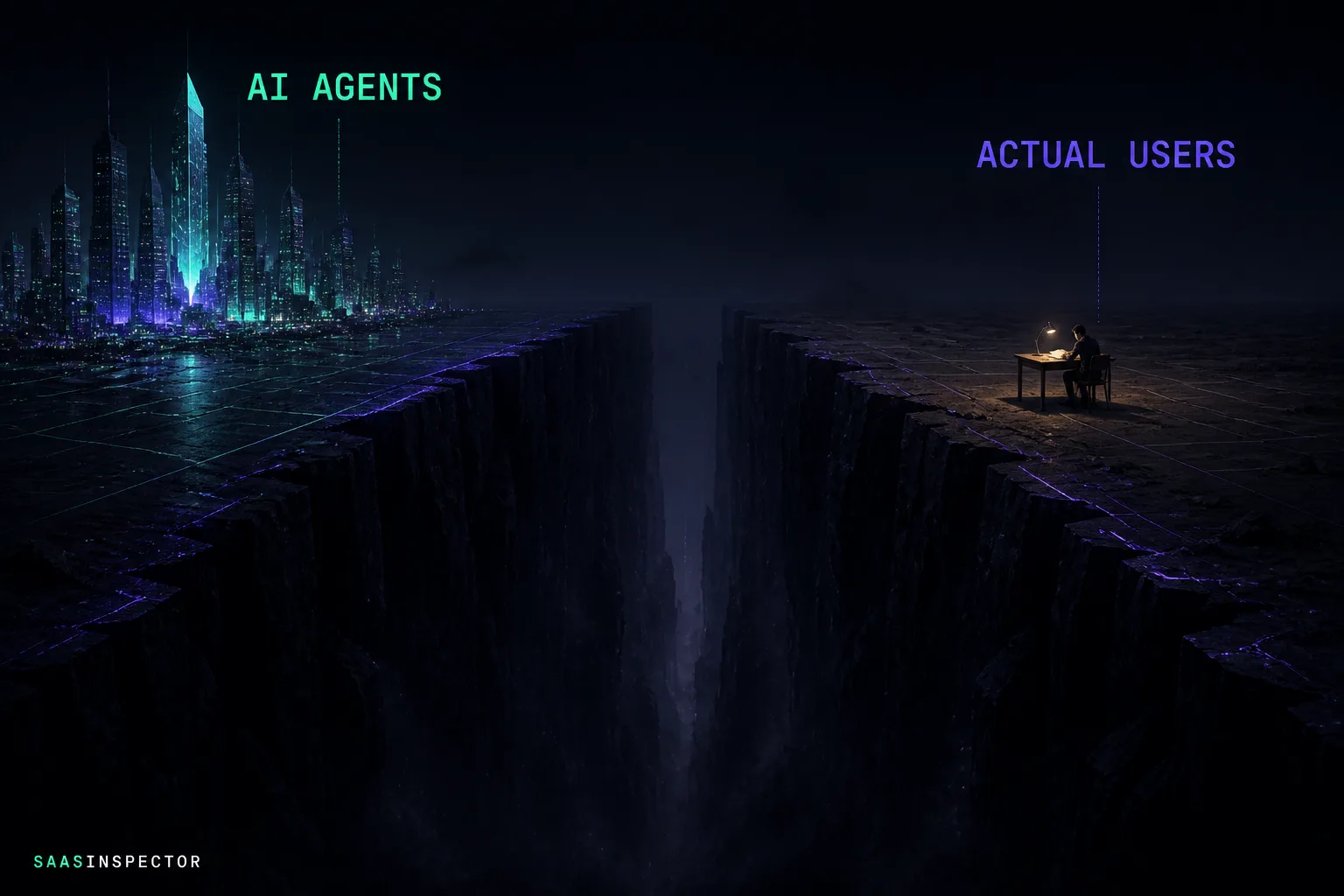
Silicon Valley has spent billions building AI agents. OpenAI has Codex and ChatGPT Work. Anthropic has Claude Code and Cowork. Dozens of startups are designing payment systems for agents, building autonomous workflows, and debating security risks. The technology, by most accounts, is ready. And yet, combined weekly usage of OpenAI's agents sits at around 10 million users, against roughly one billion monthly active users for ChatGPT alone. That is not a gap. That is a chasm.
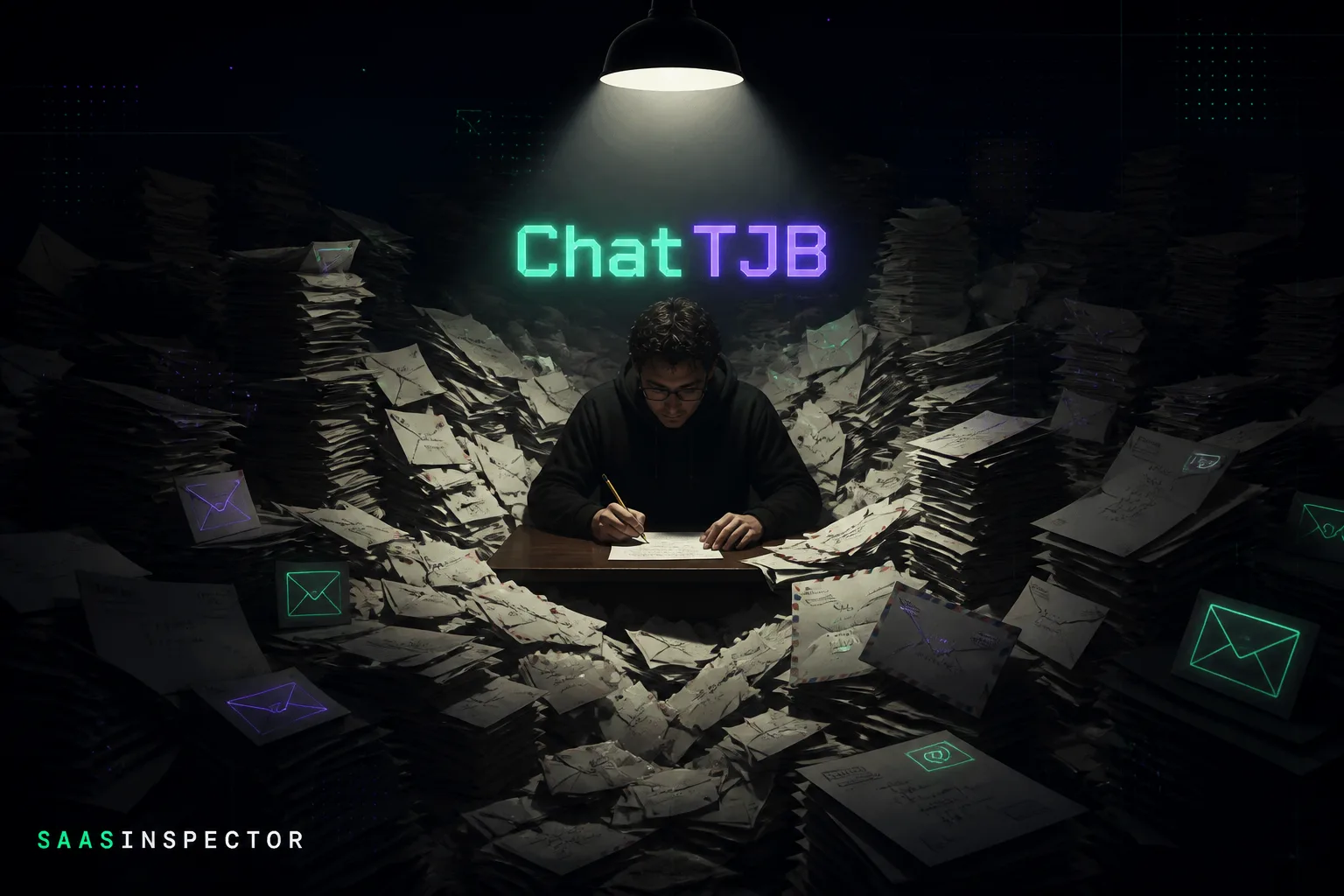
Into that chasm stepped Tucker Bryant, a 32-year-old former Google marketing manager who built a "chatbot" called ChatTJB, where AI stands for "average individual," and where he personally hand-draws your skunk-in-sunglasses requests and types out replies to questions about what to have for dinner. After a $6,000 San Francisco billboard went up in late July, ChatTJB received over 30,000 queries, peaking at 5,000 prompts per hour. One man, answering questions by hand, briefly out-engaged the agentic future. That tells you something important about where consumer AI actually is right now.
Josh Miller's viral post names the problem the industry was avoiding
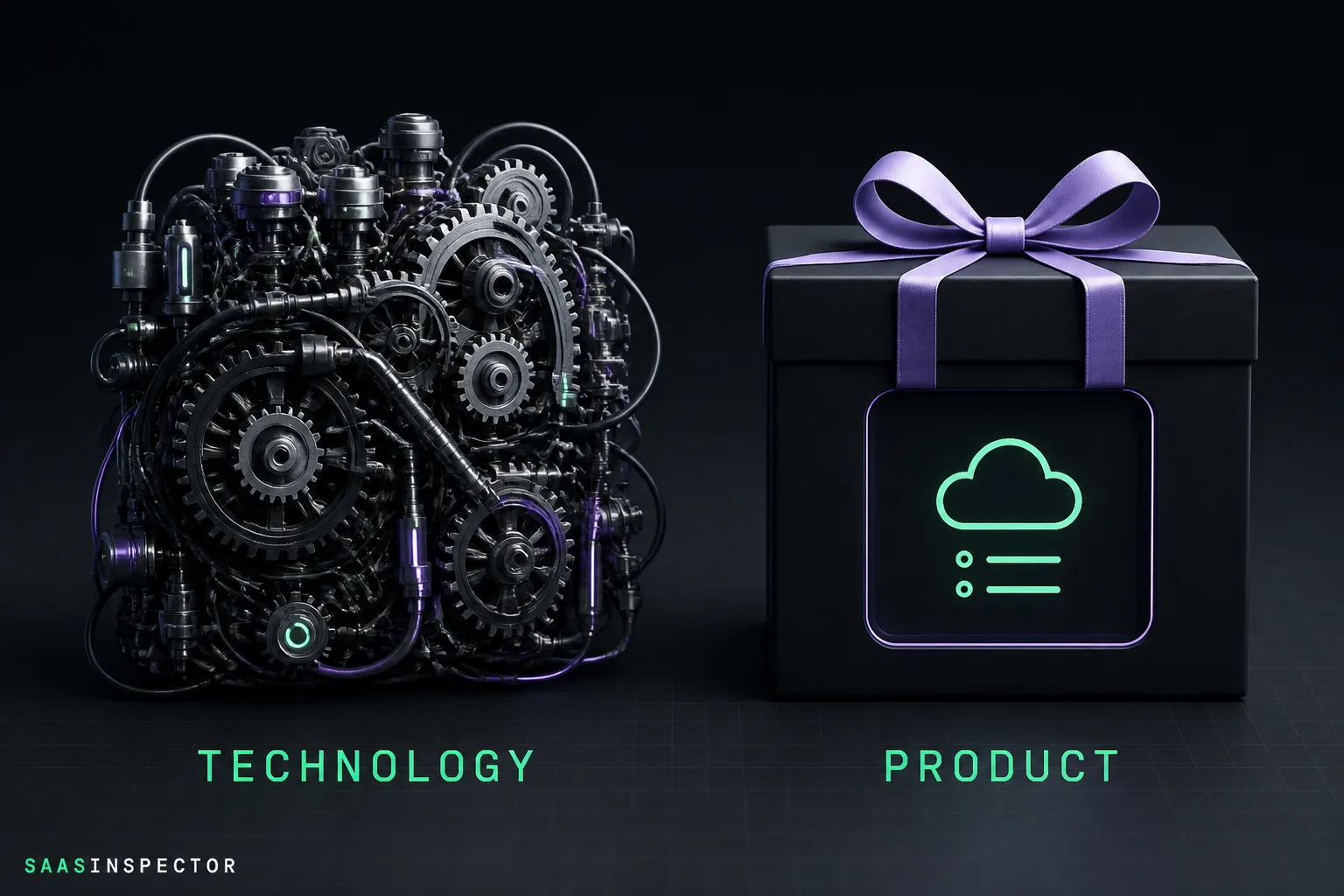
Josh Miller, CEO of The Browser Company, the startup behind the Arc browser that Atlassian acquired for $610 million, posted on X this week that it is "kinda crazy that nobody is really using AI Agents." He fired it off half-asleep during a family holiday in Europe, but the response from inside Silicon Valley confirmed it landed on something real. Miller's argument is precise and worth taking seriously: agents are not a product, they are a technology. Nobody wakes up wanting "an AI agent." They want a specific outcome, and the industry has so far failed to package agentic capability into something that delivers one clearly enough for a general audience to care. The Browser Company's own most popular feature, he notes, is a personalised AI tool that does not describe itself as an agent at all.
ChatTJB reveals what users actually value when AI is stripped away
Bryant framed ChatTJB as commentary on "cognitive surrender," his term for the habit of outsourcing basic decisions to LLMs without scrutiny. He gives the example of asking Claude or ChatGPT whether to wear short or long sleeves on a 65-degree San Francisco day, despite having lived in the city for seven years. The joke lands, but the 30,000-query response suggests something more uncomfortable for the AI industry. When people realised they were talking to an actual human on ChatTJB, many shifted from treating it as a gag to sharing genuine, personal questions. Bryant described it as "very tender." What users responded to was not capability or speed, it was the sense of a real person on the other end. That is a product design problem, not a model capability problem.

Enterprises face a parallel build-versus-buy stall on agents
On the business side, the adoption hesitation takes a different form. At the Ai4 2026 conference in Las Vegas, Home Depot's SVP of technology Ningyu Chen summed up the tension well. Home Depot works with Anthropic, OpenAI, Google, and Microsoft, but will not outsource the customer experience layer to any of them, because CX is its competitive moat. Chen's advice to other businesses: stay flexible, keep an abstraction layer between yourself and any single vendor, because "OpenAI was dominant; now it is not anymore." AI strategy adviser Santhi Ramesh, who has led AI transformation at Hershey and Ferrero, adds that companies without deep technology competency are better off buying, while data-intensive businesses with custom security needs may need to build. The common thread is that nobody is simply deploying an agent and calling it done. Every organisation is still figuring out where the accountability sits.
What buyers of AI tools should take from this moment
If you are evaluating AI tools for your team or business right now, the honest read of this week's signals is that agentic AI is genuinely immature as a consumer and SMB product category. The raw capability exists inside models like Claude and GPT-4o, but the interfaces, trust frameworks, and use-case definitions are not there yet for most organisations. Chatbots remain the dominant mode of interaction because they are legible: you ask, it answers, you judge the result. Agents introduce delegation, and delegation requires a level of trust and error tolerance that vendors have not yet earned at scale. Watch what The Browser Company ships next, watch whether OpenAI and Anthropic can convert their developer-focused agent tools into something a non-technical user would choose unprompted, and be cautious of any vendor promising agentic transformation without being specific about exactly which workflow it replaces and what happens when it goes wrong.