Spotify bans AI Persona music from recommendations
Spotify will label artist profiles that do not represent real people and exclude their music from editorial and algorithmic recommendations by default, starting mid-September.
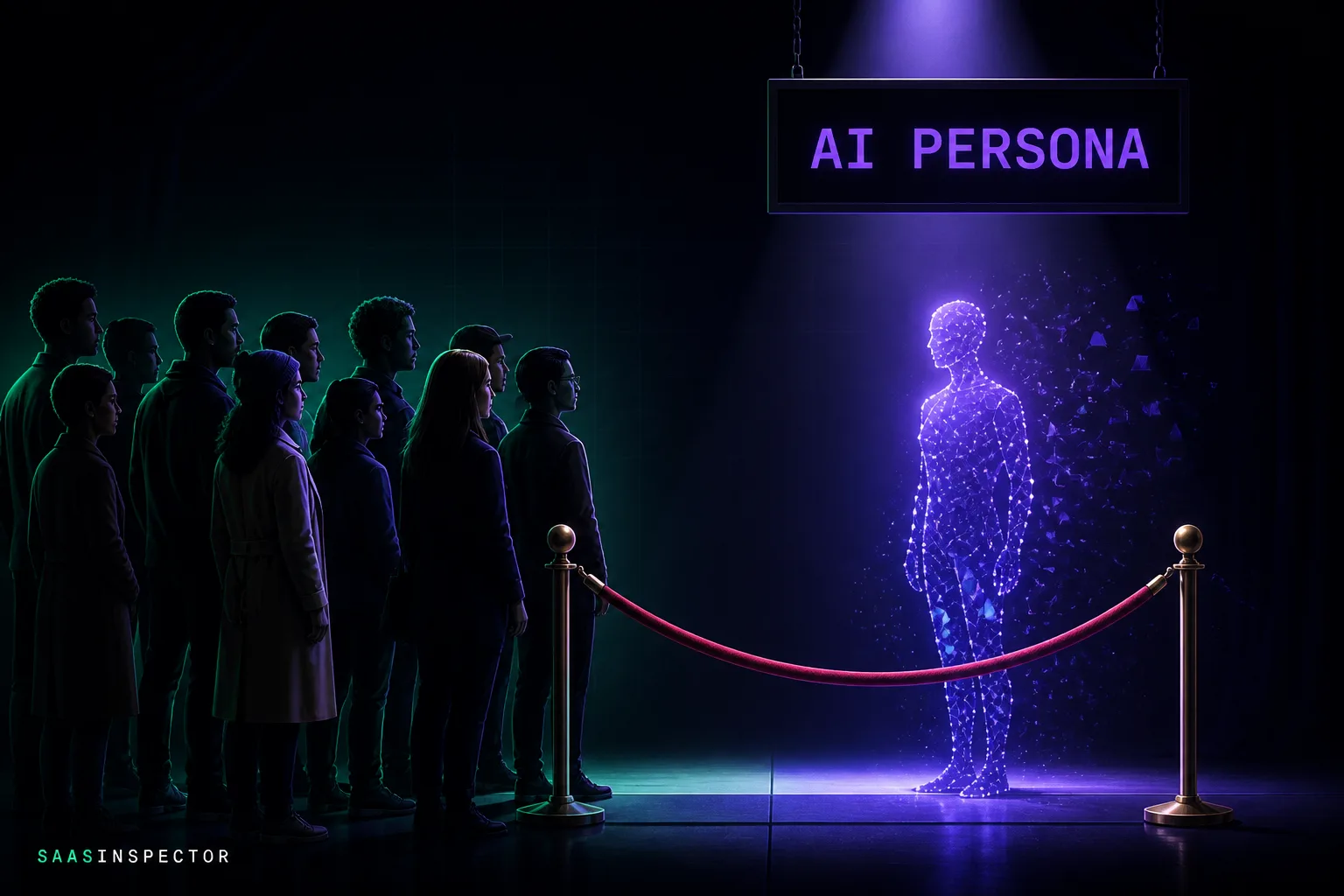
Streaming platforms have spent years trying to filter out low-quality content, but AI has made that task considerably harder. Deezer recently disclosed that AI-generated tracks now make up half of its daily song uploads, and Spotify is clearly watching that figure with concern. Its response is not a blanket ban on AI music, but something more surgical: a labelling and demotion system aimed specifically at artist profiles built around artificial identities.
Starting in mid-September, Spotify will display an "AI Persona" badge on profiles where the artist does not represent a real person. Profiles that Spotify has flagged through its own review process, but which have not yet been confirmed, will carry a "Likely AI Persona" badge instead. By default, music from either category will be removed from editorial playlists and personalized algorithmic recommendations, including the standard discovery surfaces that most listeners encounter daily.
How Spotify detects and labels AI Persona profiles
Spotify is not relying on self-disclosure alone, though artists can voluntarily identify themselves as AI Personas from today. The platform will run human review alongside AI tools to assess whether a profile's name and imagery appear to represent a photorealistic AI-generated identity. It will prioritise artists who have already crossed defined audience thresholds, so the most-listened-to profiles are addressed first. Artists who receive a label they consider incorrect can appeal, and Spotify says it plans to add a listener-facing reporting tool in the coming months so users can flag profiles the platform has not yet reviewed.

Recommendations blocked unless a listener actively follows the artist
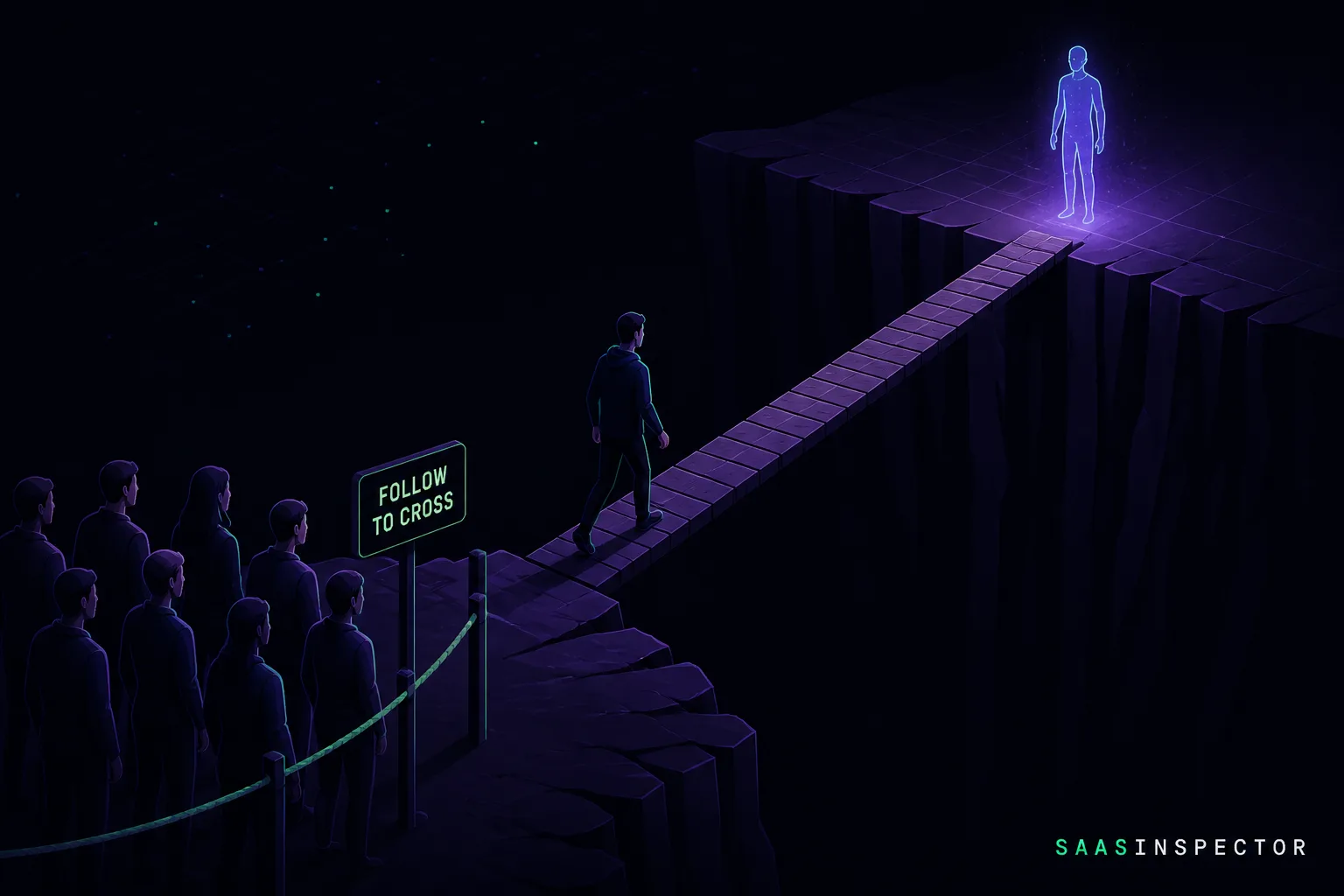
The exclusion from recommendations has one deliberate exception: if a user has explicitly chosen to follow an AI Persona artist, Spotify will still surface that artist's music to them. The reasoning is that following an artist is an opt-in action, a clear signal of intent rather than an accidental encounter. For everyone else, AI Persona music simply will not appear in Spotify's editorial picks or in the personalized feeds generated by its algorithmic systems. The platform's statement was pointed on this: "Listeners have been clear in telling us that they don't like seeing an artist profile that seems human, only to find out that the persona is AI-generated."
What the policy does and does not cover
Spotify has been careful to frame the AI Persona badge as a judgment about an artist's public identity, not about the production methods behind their music. The company already has separate infrastructure for that question: AI Credits and SongDNA both carry information about how a track was made. The new badge sits alongside, not instead of, those features. This distinction also matters in the context of Spotify's recent licensing deals with Universal Music Group and Merlin, which will permit fan-made AI remixes and covers. Those tracks, made with AI tools but attached to human artists, are a different category entirely from the synthetic personas the badge is designed to flag.

What this means for teams evaluating AI music tools
For anyone using AI music generation platforms to produce content at scale, Spotify's policy introduces a meaningful distribution risk. If the artist profile associated with that content is flagged as an AI Persona, the music will effectively disappear from most organic discovery for most listeners. The policy also signals a direction of travel: Spotify's existing framework already bans unauthorized AI voice clones and deepfakes, and this update extends the same logic to synthetic artist identities. Platforms that have positioned themselves around high-volume AI music publishing should treat this as an early warning that the major streaming services are building detection infrastructure and are prepared to use it.