Anthropic Watermarks All Claude Text and Images, Even After Editing
Anthropic has committed to embedding invisible watermarks in all Claude-generated text and C2PA provenance metadata in images globally, but the system's real-world durability remains an open question.
Anthropic has begun rolling out machine-readable watermarks across all Claude products, covering both generated text and image files. The move is driven by the EU AI Act's Transparency Code, which came into force on 2 August 2026, but Anthropic has confirmed the watermarking will apply globally, not just to users in Europe. That means anyone interacting with Claude via the API, Claude, Claude Code, Claude Cowork, or Claude Tag is affected, regardless of where they are.
The timing matters. New Claude models released on or after 2 August ship with watermarking baked in from day one. Older models get a transition period under EU law, but Anthropic says it is already working to retrofit them. Verification tools for third parties are also planned, though no release date has been given. This is a forward commitment with moving parts still to be confirmed.
How Claude's text and image watermarks actually work
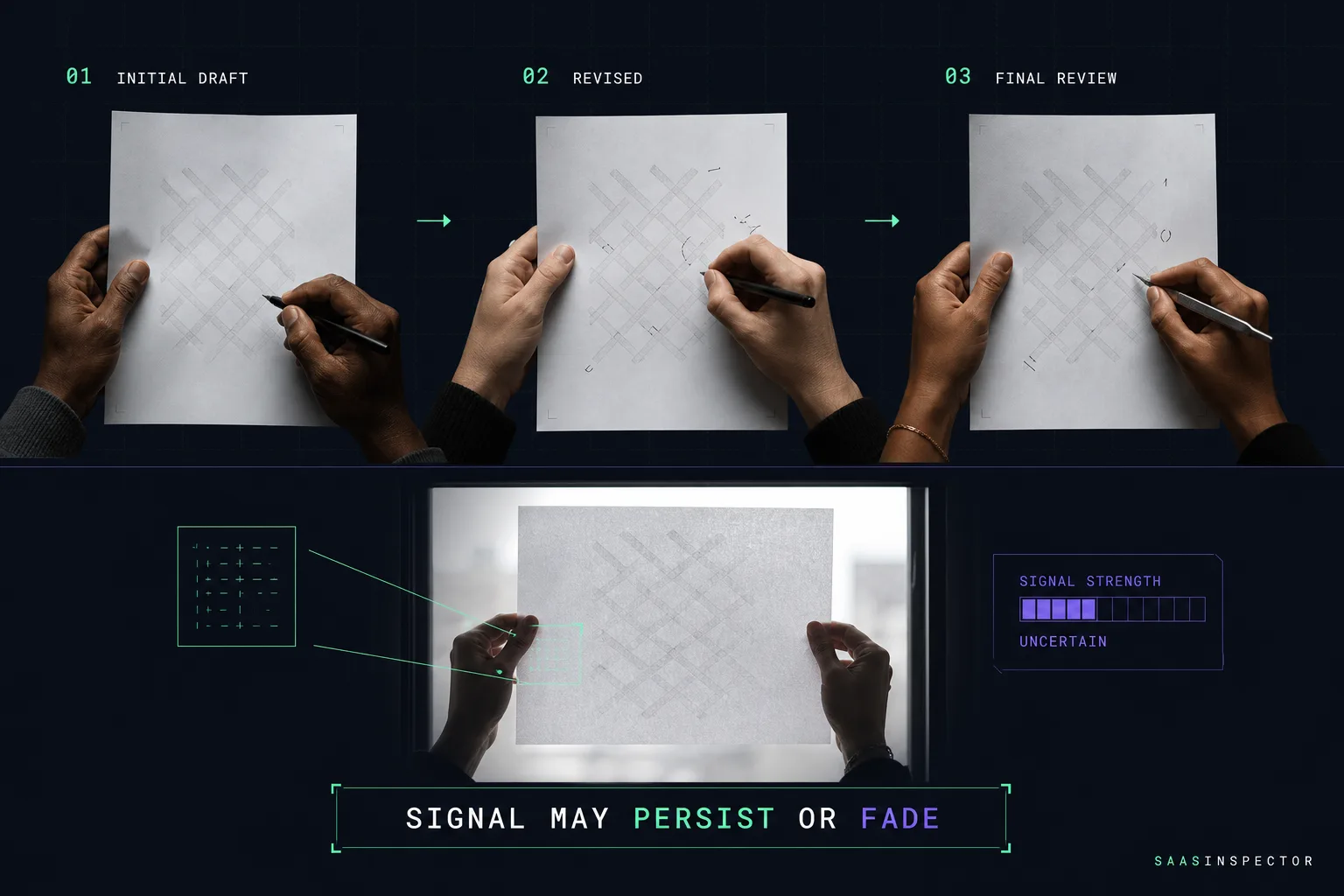
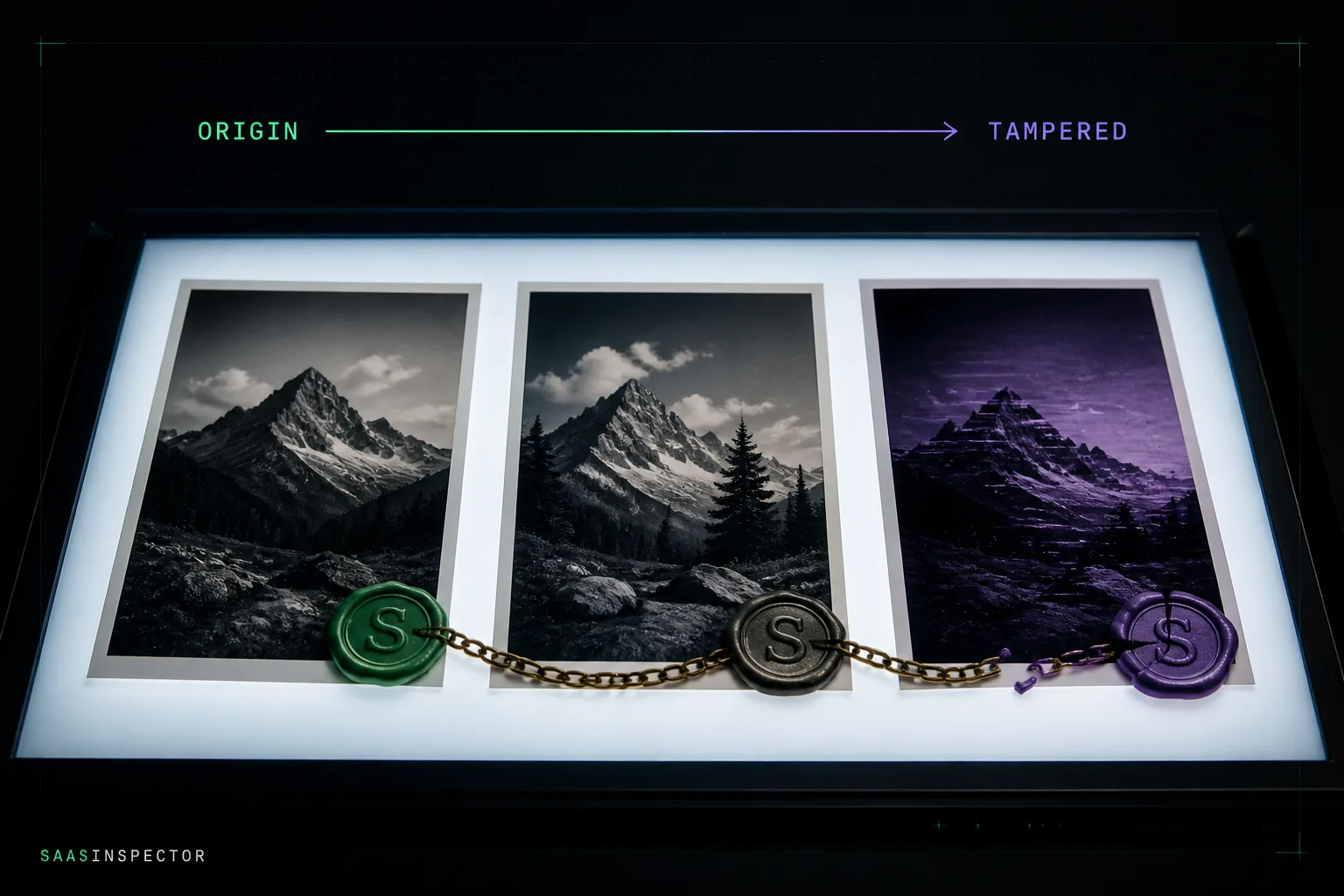
Anthropic is using two distinct approaches. For text, an invisible watermark is woven directly into Claude's output at the model level. It does not change meaning, quality, or readability, but it travels with the content when copied and pasted, and the company says it may persist through some editing. Because it is applied at the model level rather than the product level, it is present across every Claude surface. For images, including.svg.png, and.jpg files, Anthropic is using C2PA, the open provenance metadata standard already adopted by Adobe, Google, and OpenAI. The C2PA signature indicates that Claude processed the file and can flag later tampering. Text watermarks are also expected to carry through when Claude is accessed via cloud partners such as AWS, Google Cloud, and Microsoft Azure Foundry, though those platforms may not support the signed image metadata.
What watermarks can and cannot reliably tell you about AI content
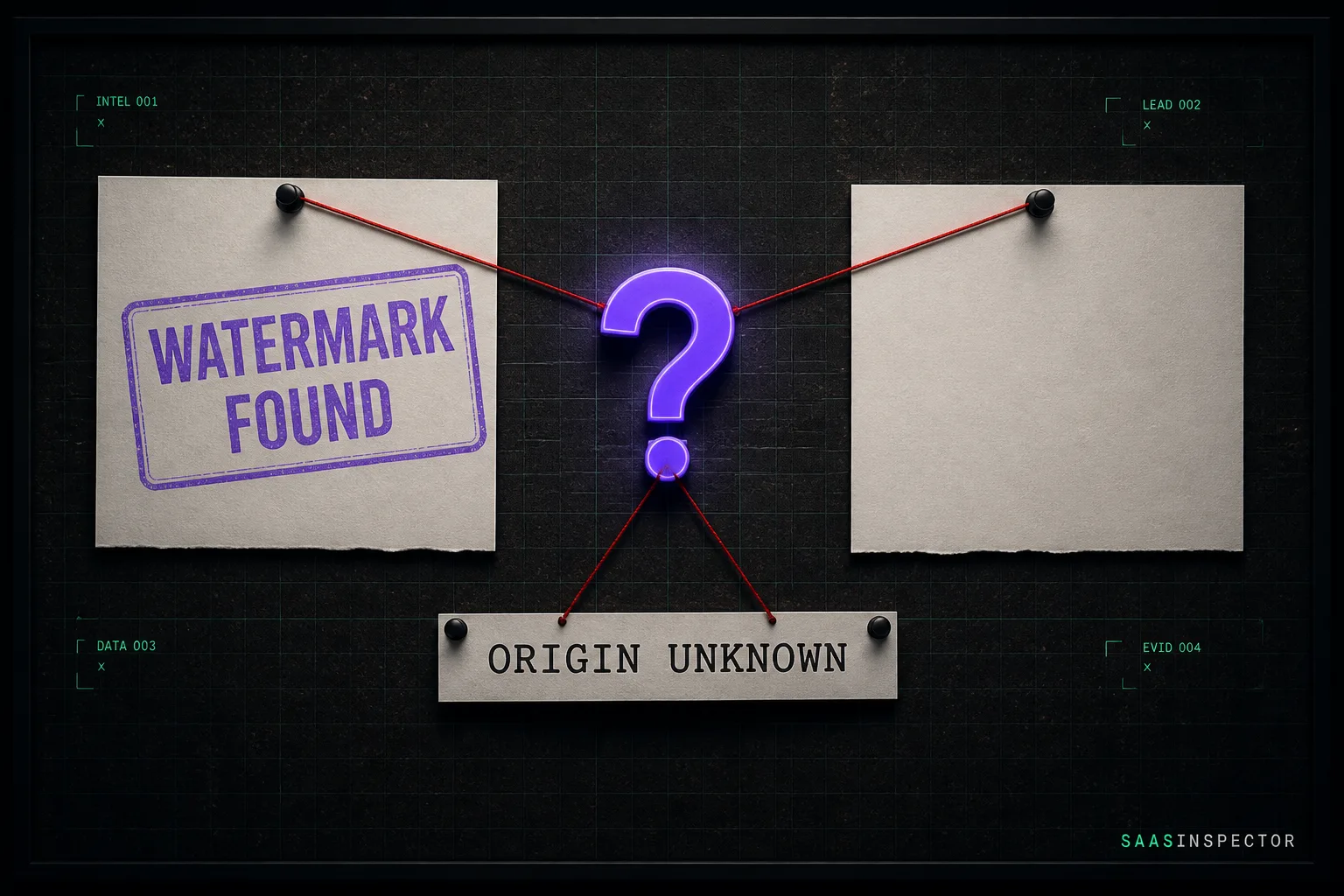
Anthropic is unusually candid about the limits of its own system. A detected watermark does not confirm Claude wrote the content: Claude is widely used for proofreading, translation, and summarising human-written material, so a watermark may appear on text where a human supplied all the ideas. Equally, the absence of a watermark proves nothing. The model may have been released before watermarking rolled out, the text may have been edited heavily enough to degrade the signal, the passage may be too short for reliable detection, or metadata may have been stripped through format conversion or screenshotting. C2PA data in particular is notoriously easy to lose, sometimes accidentally, when files are uploaded to social platforms. These are not edge cases. They are the normal conditions under which content travels online.
How Claude's approach compares to Google SynthID and OpenAI's unreleased detector
Anthropic is not operating in isolation. Google DeepMind has open-sourced its SynthID watermarking system and built it into Gemini models, using subtle adjustments to token probability values during generation. SynthID works across languages but struggles with text that has been edited after the fact, a limitation Claude's system will likely share. OpenAI sits at the other end of the spectrum: the company has reportedly held a text detector with claimed 99.9 percent accuracy for roughly two years without releasing it publicly, citing concerns about how easily editing or translation can defeat it, risks of falsely flagging certain groups, and the likelihood that a public detector would damage its own commercial interests. Claude's watermarking, by comparison, is at least being deployed, which puts Anthropic ahead of OpenAI on transparency even if the technical robustness questions remain unanswered.
What this means for developers and buyers integrating Claude
If you build products on top of Claude via the API, the watermarking arrives whether you ask for it or not. Anthropic notes that developers integrating Claude into their own services must determine which Article 50 obligations under the EU AI Act apply to their specific products, so the compliance burden does not stop at Anthropic's door. For businesses evaluating AI tools, this is a meaningful shift: content produced by Claude will carry a persistent signal that downstream systems, and eventually third-party detectors, may be able to read. That is useful if your organisation wants to audit AI use, but it also means Claude-generated drafts circulating inside your company carry an embedded identifier you may not have accounted for in your data policies. The system is not yet complete, the verification tooling is still to come, and the durability of text watermarks under real editing conditions has not been independently tested. Buyers should note the intent is genuine and the direction is right, but the proof will be in the technical documentation Anthropic has yet to publish.