AI Is Quietly Taking Over Music and Hollywood
From Spotify's fan remix tool to unverifiable hip-hop hits and AI-saturated film sets, creative industries are past the debate stage — the fight now is over who sets the terms.
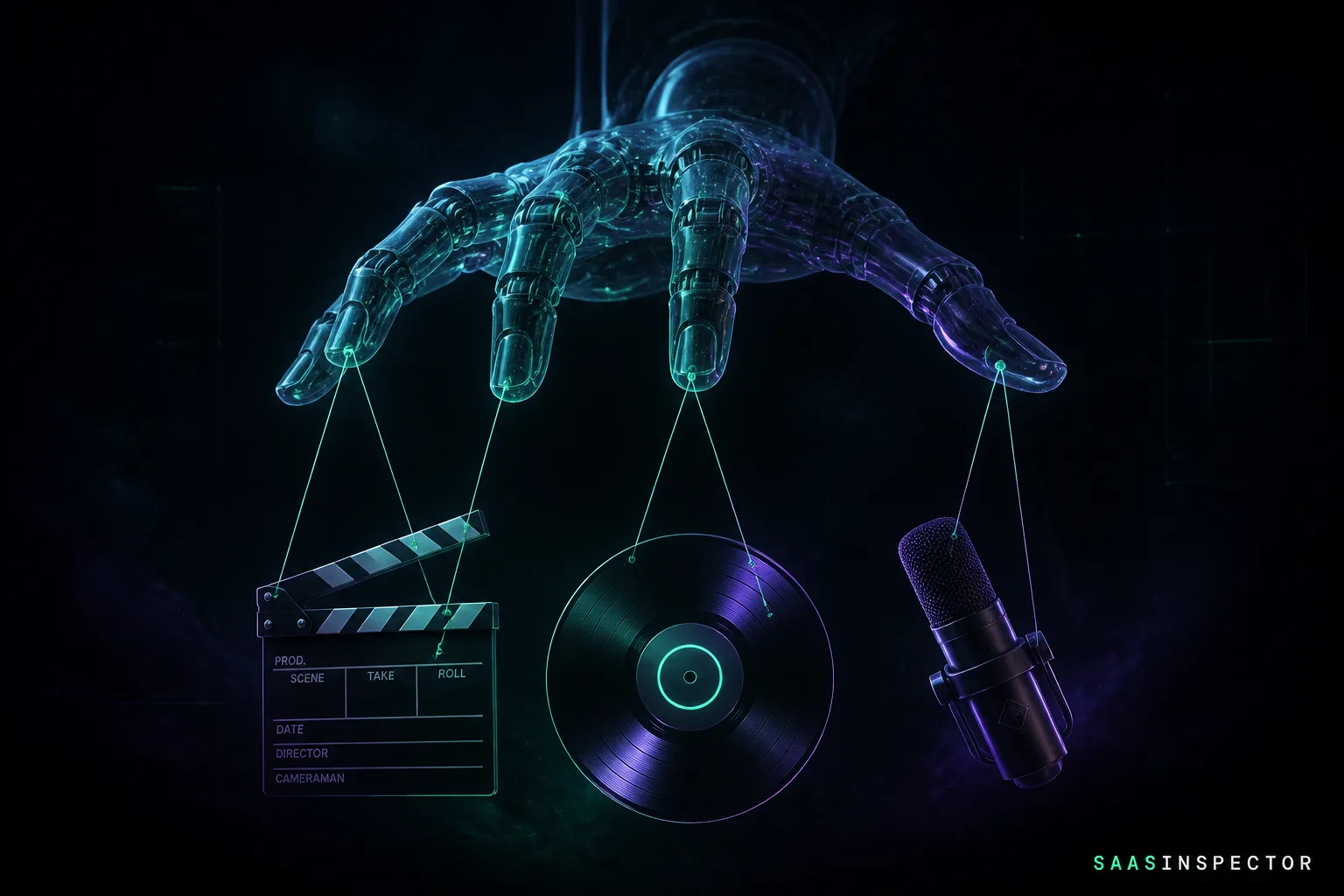
The question of whether AI would enter music and film has been settled. Both industries have quietly moved on to a far messier set of questions: who controls the tools, who gets paid, and whether audiences will ever be able to tell the difference. This week's developments across Hollywood and the music business make that shift impossible to ignore.
What's striking is how different the entry points look. In film, AI has crept into production workflows with little fanfare. In music, it's arriving through legitimate licensing deals on one side and contested viral hits on the other. The technology is the same; the power dynamics are not.
Hollywood is already using AI — the battle is over who controls it
Matthew Belloni of Puck, speaking to Wired, was direct: AI has become part of everyday filmmaking, and the industry-wide debate about adoption is effectively over. The real contest now is governance — which studios control which tools, how unions negotiate limits, and who owns the output. That framing matters for anyone watching the space, because it means the next wave of AI announcements from Hollywood won't look like experiments. They'll look like policy, contracts, and acquisitions. The decisions being made quietly on sets today will define the terms for years.
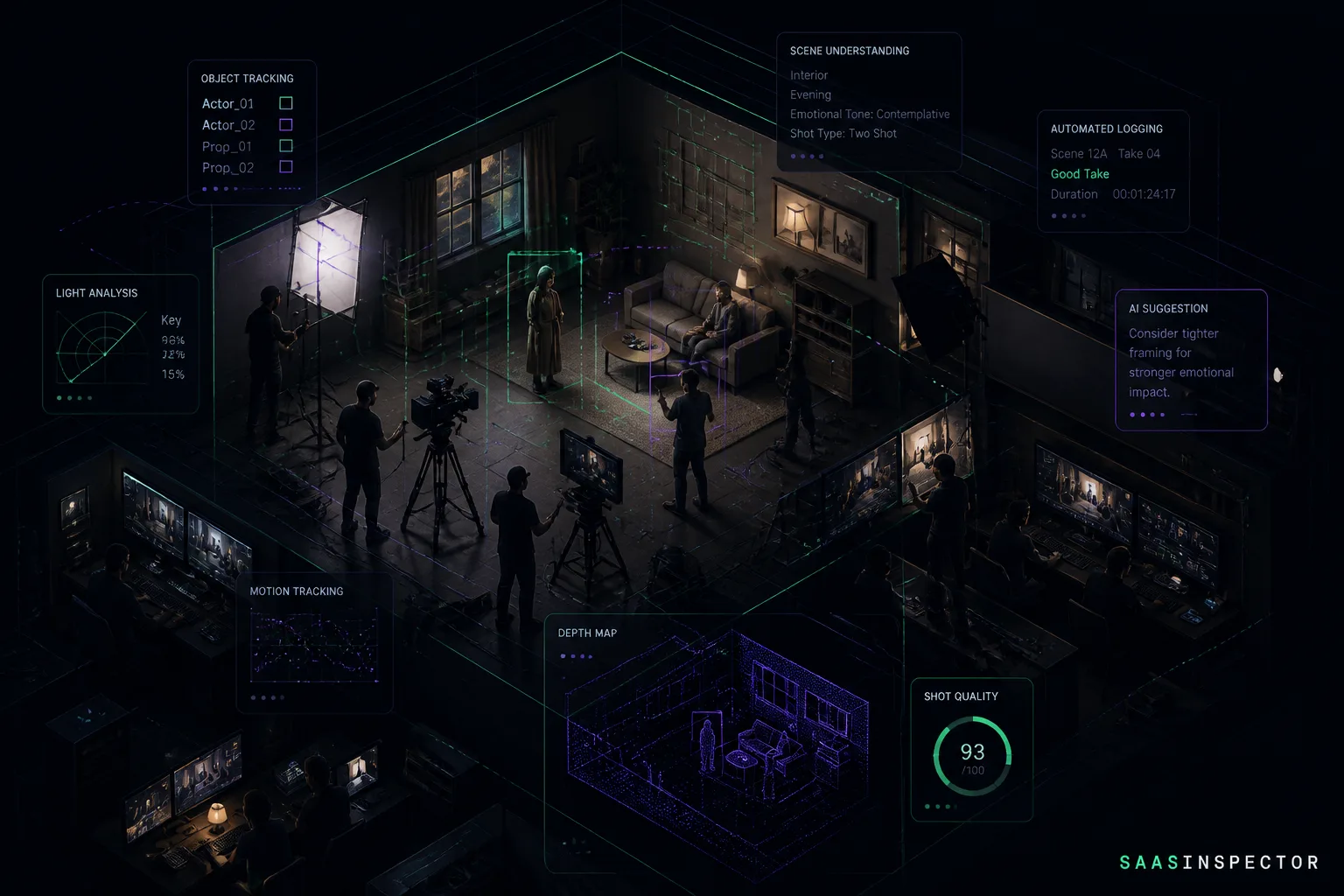
Spotify's AI remix tool gains ground with Merlin's 30,000-label backing
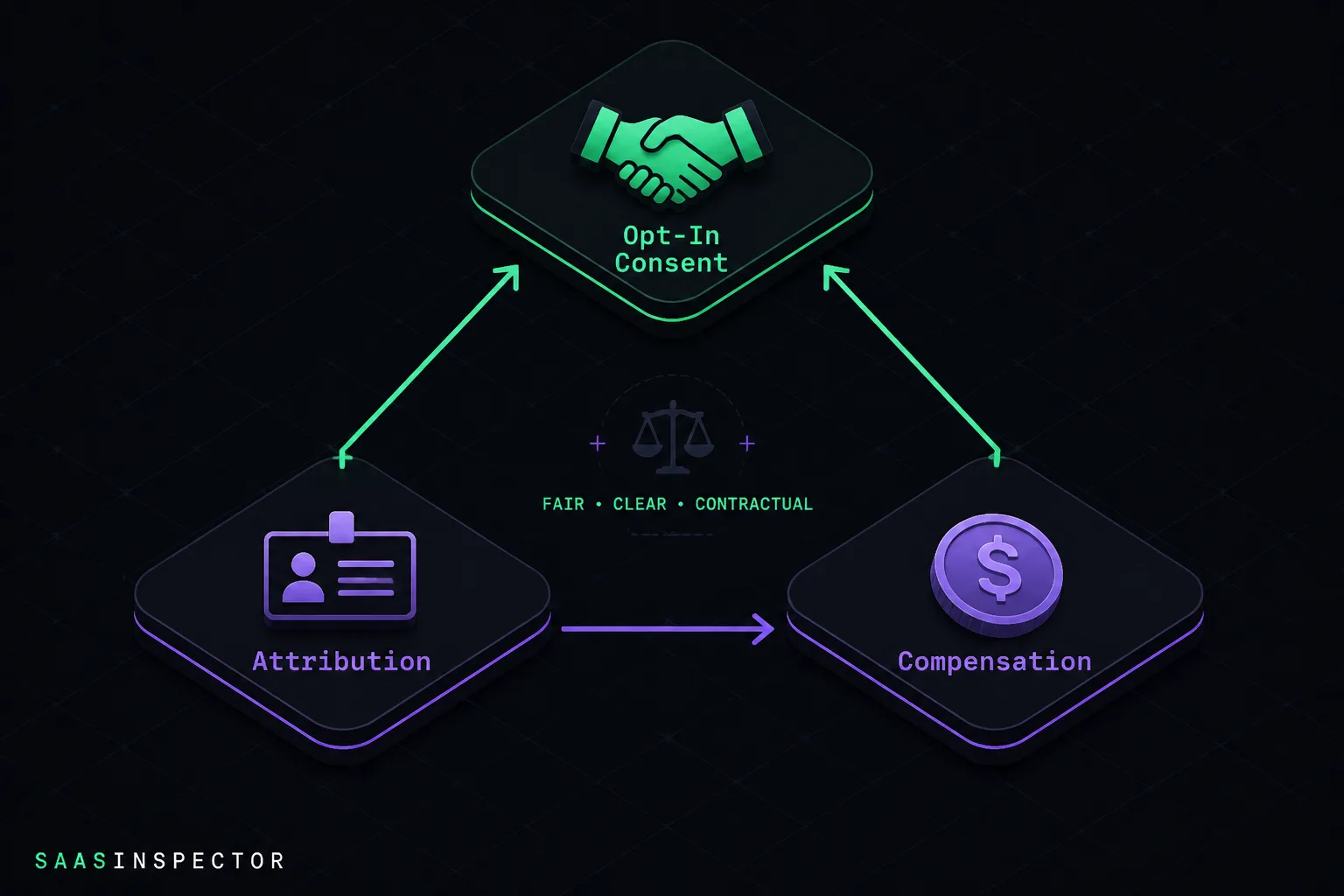
On the music side, Spotify has secured a significant endorsement for its forthcoming AI-powered remix and covers product, with Merlin — the rights body representing more than 30,000 independent labels and distributors — joining Universal Music Group in backing the project. The tool is designed to let fans generate AI covers and remixes of participating artists' music, with opt-in consent, attribution, and compensation built into the model. That last part is doing a lot of work: it's a direct attempt to neutralise the licensing chaos that has plagued AI music tools so far. Whether the compensation rates will be meaningful for smaller artists is an open question, but the structural approach — opt-in, credit, pay — is the closest the industry has come to a workable framework.
Treblo app evidence reignites the AI music authenticity problem
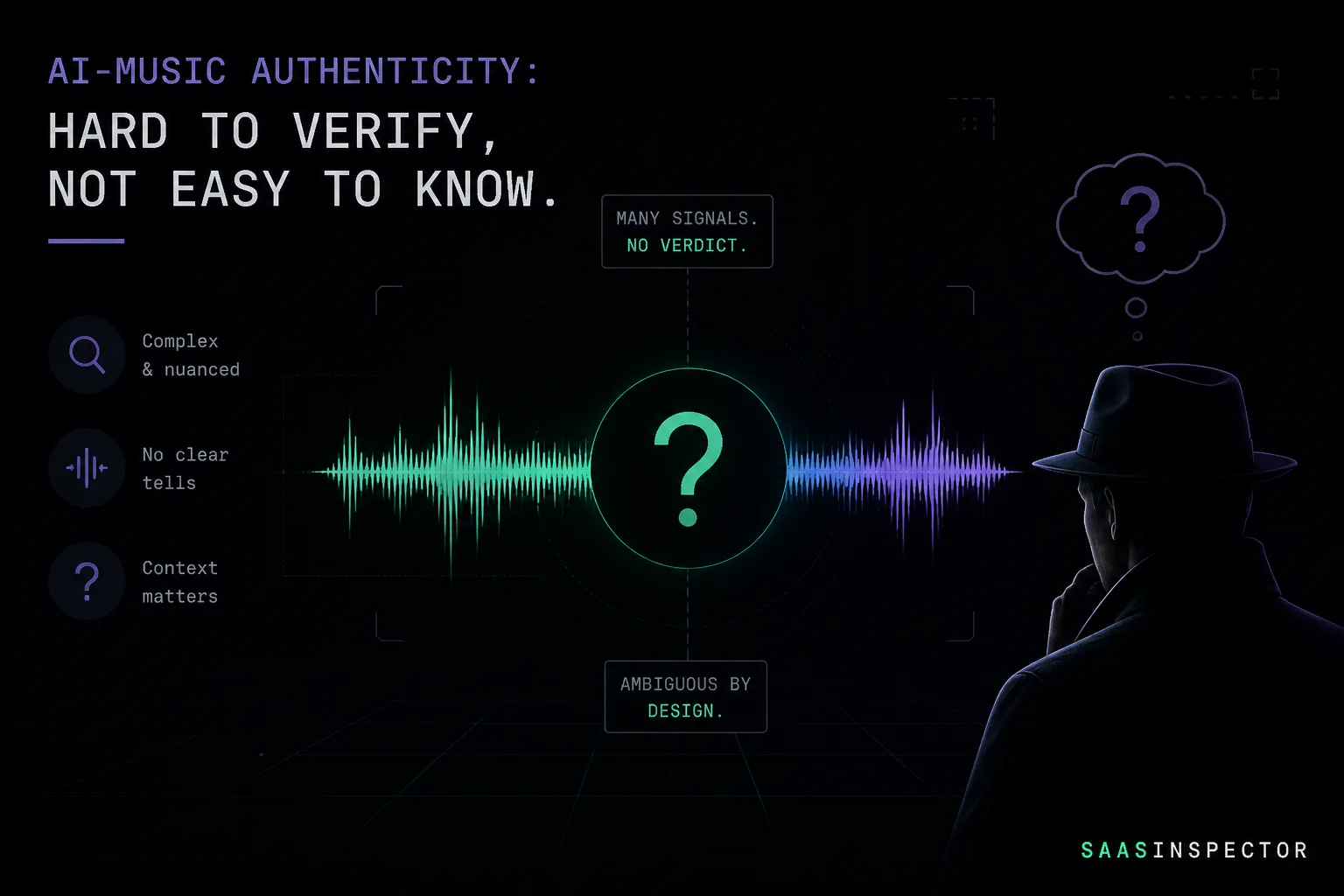
Meanwhile, hip-hop fans have been arguing over whether Fenix Flexin's buzzy track "Rubberz" was generated by AI, with some pointing to a filename bearing the suffix "Sonauto.mp3" — Treblo's former name — in an old promo clip as supposed proof. The song has caught on regardless. That detail — that a track can accumulate cultural traction while its origins remain genuinely disputed — is new territory, and it exposes a gap that Spotify's consent-and-credit model cannot fill on its own. If AI-generated music can pass through the ecosystem undetected, opt-in frameworks only protect the cases where creators are honest about what they've made.
What the convergence means for AI tool buyers in creative sectors
Taken together, these stories sketch an industry landscape in mid-transition. Legitimate AI tools — Spotify's remix product, whatever studio-facing systems Hollywood is quietly deploying — are building consent and compensation in from the start, partly to pre-empt regulation and partly to get major rights holders on board. But the unverifiable stuff is moving faster and doesn't wait for frameworks. For organisations evaluating AI tools in creative workflows, the practical implication is that provenance and audit trails are no longer nice-to-haves. The ability to demonstrate what was made by whom, and under what licence, is fast becoming the thing that separates defensible AI use from legal and reputational exposure.