China's humanoid robot lead is built on motors, not models
The World Humanoid Robot Games and a new OpenMind readiness report tell the same story: China's dominance in humanoid robotics comes from supply chains and actuators, not AI breakthroughs.
At the second World Humanoid Robot Games, held in Beijing and wrapping up on 26 August, a humanoid called Tiangong Ultra ran 100 metres in 8.86 seconds. Another robot, Lightning, built by smartphone maker Honor, clocked 9.47 seconds. Both beat Usain Bolt's human world record of 9.58 seconds. The same Tiangong robot won the long jump with a distance of 7.97 metres. Elsewhere, robots played Ping Pong against an Olympic champion, scored soccer goals, lifted weights, and occasionally toppled over balustrades after being distracted by cheerleading routines. More than 600 teams attended, bringing over 2,000 robots from China and 15 other countries.
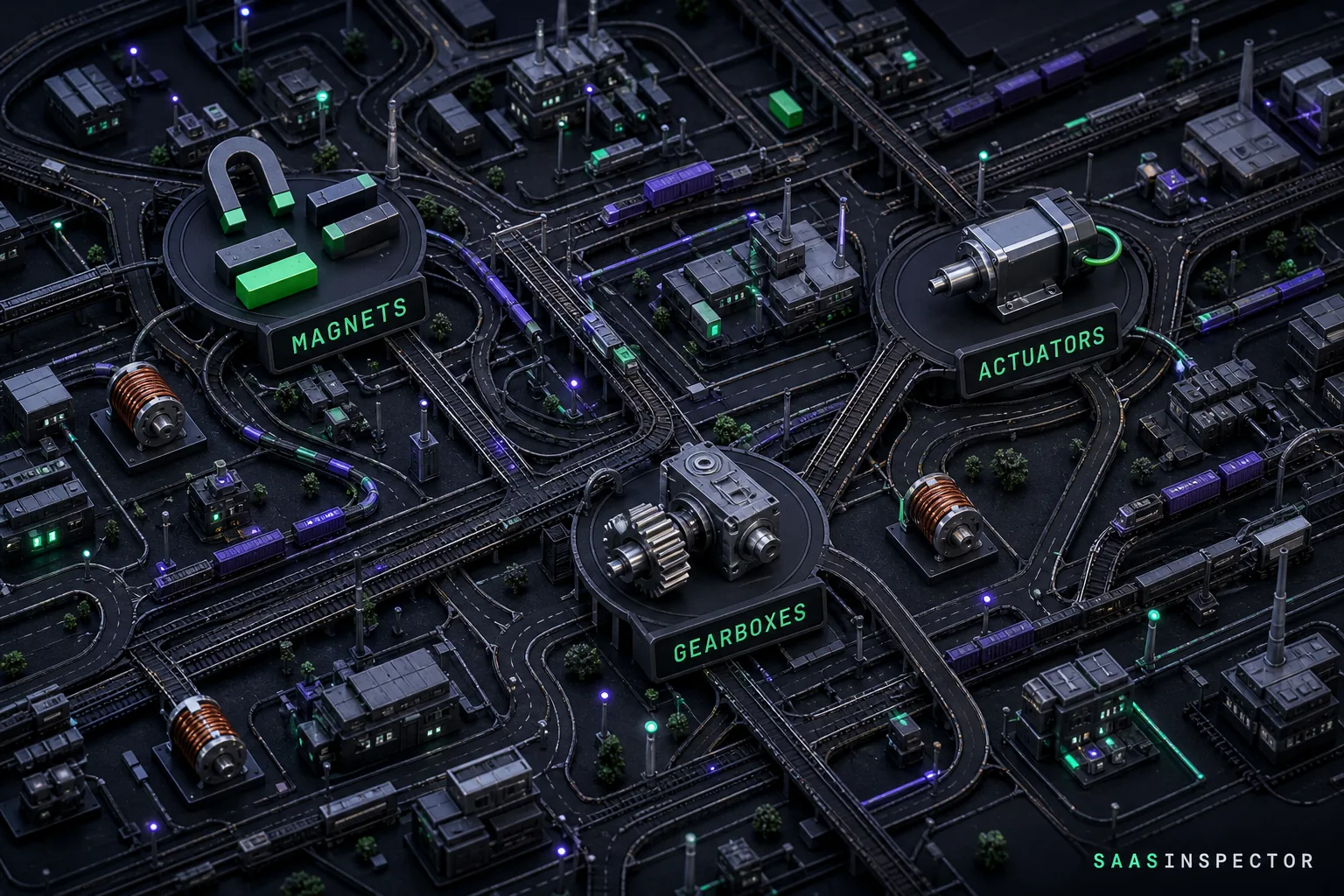
The temptation is to read these spectacles as a showcase of artificial intelligence. It is not, really. A new report from San Francisco-based robotics AI vendor OpenMind, published this week, puts the hardware reality plainly: the race for humanoid dominance will be decided by magnets, gearboxes, and actuators, not by foundation models or AI labs. The games and the report, taken together, point at the same uncomfortable truth for Western competitors.
Tiangong Ultra and Lightning run on hardware breakthroughs, not AI
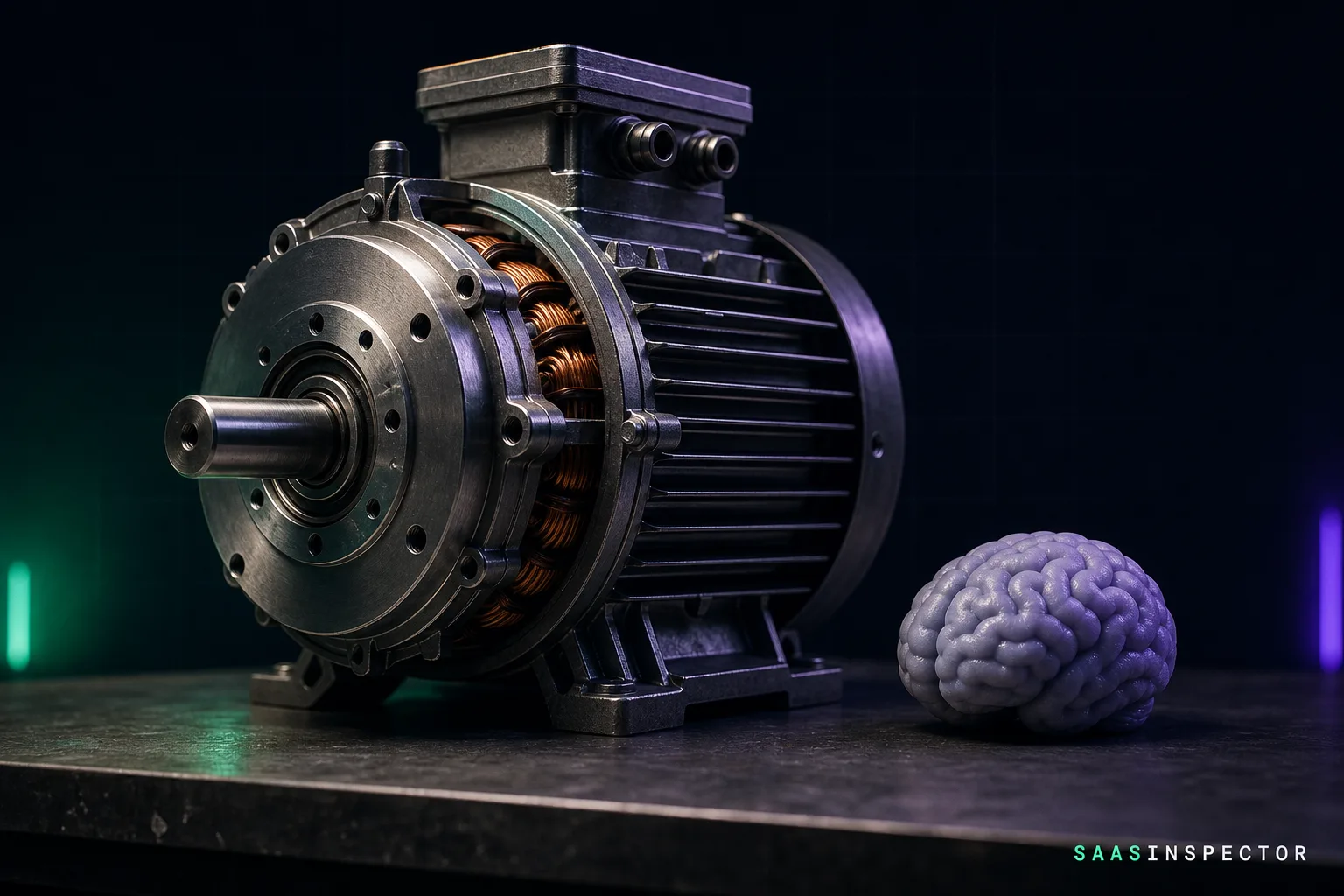
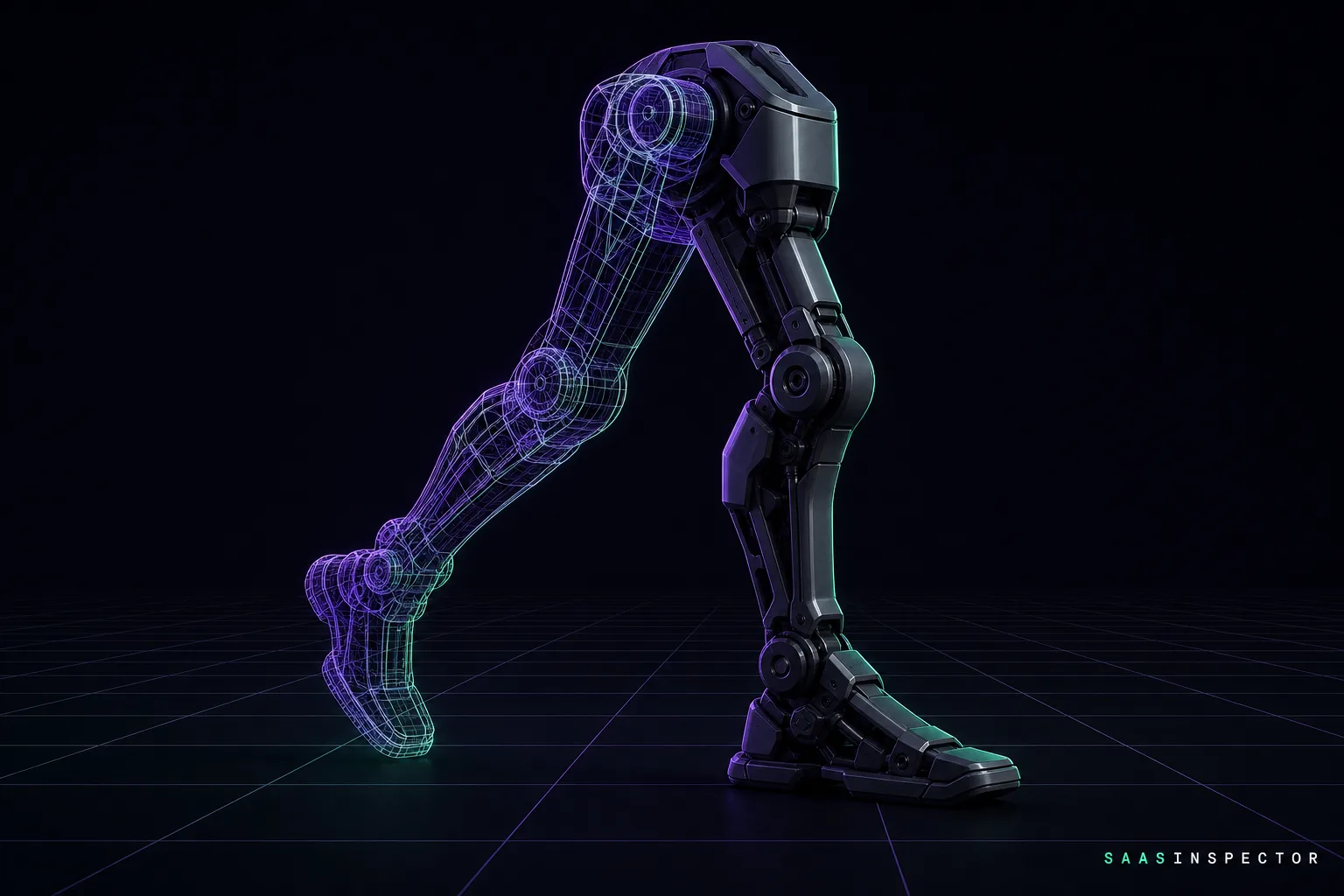
The robots that sprinted past Bolt's record rely on compact, high-power motors capable of keeping a bipedal system dynamically balanced at high speed. Stefanie Tellex, a roboticist at Brown University, told Wired that China has had exceptional success building exactly this kind of hardware. Unitree, the Hangzhou-based company that recently went public, built its reputation primarily on motor and actuator innovations rather than AI research. The running algorithms used by these robots are trained in simulation, which explains why many of them have distinctly nonhuman gaits. The AI component is real, but it is not the constraint. The constraint is whether the legs can take the load without blowing a motor, which several robots at the games did.
OpenMind's Physical AI Readiness Index shows China's 13-point lead
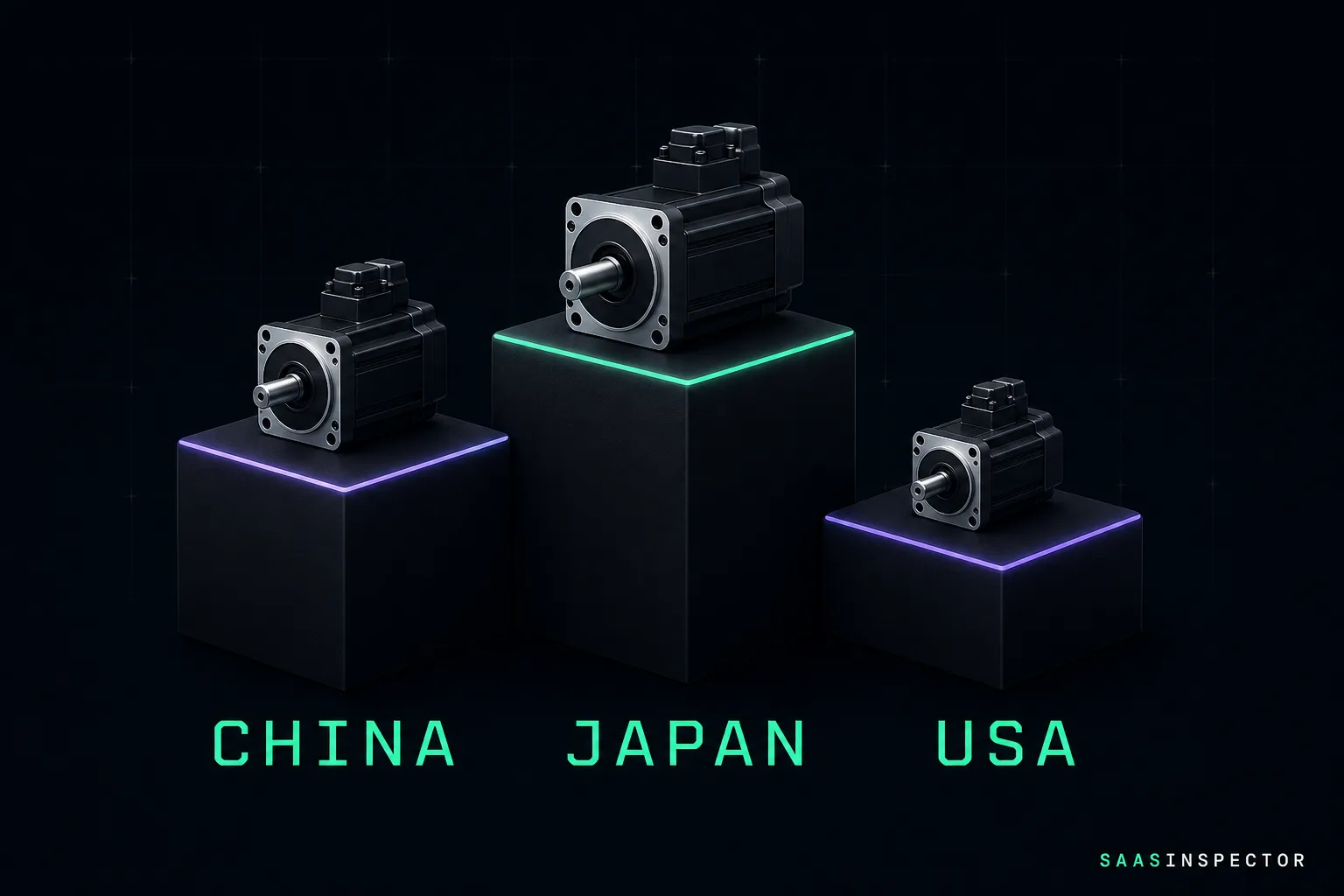
OpenMind assessed robotics infrastructure across 58 countries and 22 metropolitan clusters, producing what it calls a Physical AI Readiness Index. China scored 82.9. Japan came second at 69.6, and the United States scored 69.0. The researchers attribute the gap to China's sustained national investment in energy, robotics, and materials over roughly 15 years. OpenMind CEO Jan Liphardt was direct: physical AI is not bottlenecked by AI. It is bottlenecked by actuators, magnets, chips, arms, and legs. China is ahead on all of those, not by a small margin. The report also notes that China manufactures an estimated 94 percent of the world's sintered rare-earth permanent magnets, which OpenMind identifies as the single tightest supply-chain constraint for humanoid production globally.
Cutting out Chinese suppliers more than doubles humanoid costs
The OpenMind report was partly motivated by the FCC's recent barring of foreign-made robotics components from the United States, widely read as a move against Chinese manufacturers. The report attempts to answer whether the US can build a domestic robotics ecosystem without Chinese parts. The numbers are stark. Actuators account for 40 to 60 percent of a humanoid robot's bill of materials. Without Chinese suppliers, OpenMind calculates that humanoid production costs rise from roughly 46,000 dollars to 131,000 dollars per unit. Linda Sui, founder and principal of Smart Analytics Global, argues that China's advantage is systemic rather than singular: it comes from the concentration of motors, actuators, precision components, electronics suppliers, and manufacturing capacity within a tightly integrated ecosystem. Replacing one or two components does not close that gap.
What this means for buyers evaluating humanoid robot suppliers
For organisations evaluating humanoid platforms or robotics vendors, the practical implication is that supply chain provenance now matters as much as software capability. A robot running impressive AI but dependent on components that may face export restrictions or tariff escalation carries real procurement risk. Platforms built on Chinese hardware ecosystems, including those from companies like Unitree, currently offer a significant cost and lead-time advantage. Western alternatives may close the AI gap faster than they close the parts gap. Anyone making long-term deployment decisions around humanoid robots should be asking vendors not just about their model architecture, but about where their actuators and magnets come from.